

Wallachia Private Tours
Wallachia: Where Romania’s Story Begins
While Northbound travelers often flock to the familiar trails of Transylvania, Wallachia private tours offer a rare journey into the very foundation of the Romanian identity. Stretching from the rugged Carpathian foothills down to the banks of the Danube, this ancient southern principality serves as the setting where the nation’s true narrative begins. Not only was this the land Vlad II called home, but it was also the cradle of Romanian statehood—a place where centuries of layered history reside peacefully alongside bubbling mud volcanoes, sun-drenched vineyards, and monasteries designed to outlast time itself.
A Land of Forgotten Capitals and Living Legends
Every name in this region carries a distinct historical weight. Take, for instance, Târgoviște, the medieval capital where Vlad the Impaler ruled with a legendarily merciless hand. Further west lies Curtea de Argeș, the original royal seat of Wallachia, which features a cathedral so ornate that folklore claims the architect immured his own wife within the walls to ensure its permanence.
In addition to these fortresses, the Horezu Monastery stands as a UNESCO-protected masterpiece of Brâncovenesc craftsmanship tucked into the Oltenian hills. Meanwhile, Mogoșoaia Palace shimmers beside its lake just outside Bucharest, acting as an elegant echo of a forgotten golden age. Beyond the architecture, the Dealu Mare wine slopes are quietly cultivating some of the country’s finest reds—all while remaining largely undiscovered by the outside world.
The Romania Most Travelers Never Find
What truly makes Wallachia remarkable is its refusal to perform for a crowd. Because there are no souvenir-hunting throngs or idling tour buses at the gates, visitors encounter a landscape that remains raw, unhurried, and authentically extraordinary. Consequently, the region feels less like a museum and more like a living history. Having guided people through these hidden corners for over a decade, I can honestly say that the quiet magic of this place never fades.
Wallachia Private Tours
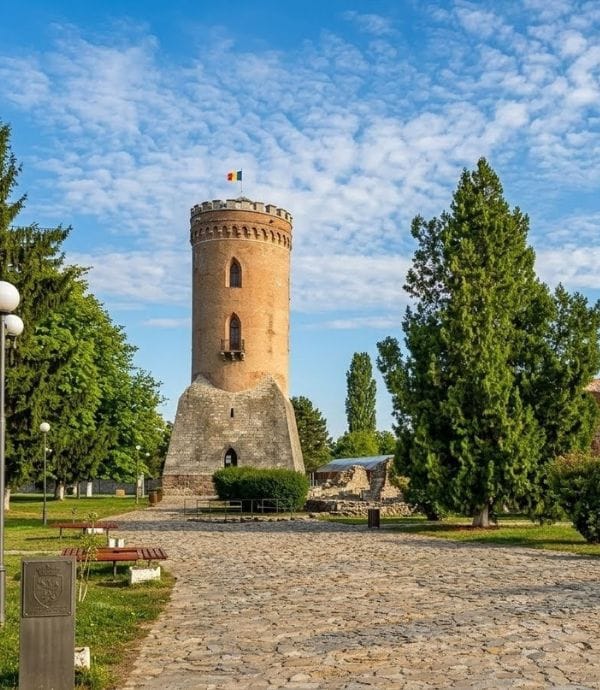
Wallachia: Where Romania’s Story Begins
While Northbound travelers often flock to the familiar trails of Transylvania, Wallachia private tours offer a rare journey into the very foundation of the Romanian identity. Stretching from the rugged Carpathian foothills down to the banks of the Danube, this ancient southern principality serves as the setting where the nation’s true narrative begins. Not only was this the land Vlad II called home, but it was also the cradle of Romanian statehood—a place where centuries of layered history reside peacefully alongside bubbling mud volcanoes, sun-drenched vineyards, and monasteries designed to outlast time itself.
A Land of Forgotten Capitals and Living Legends
Every name in this region carries a distinct historical weight. Take, for instance, Târgoviște, the medieval capital where Vlad the Impaler ruled with a legendarily merciless hand. Further west lies Curtea de Argeș, the original royal seat of Wallachia, which features a cathedral so ornate that folklore claims the architect immured his own wife within the walls to ensure its permanence.
In addition to these fortresses, the Horezu Monastery stands as a UNESCO-protected masterpiece of Brâncovenesc craftsmanship tucked into the Oltenian hills. Meanwhile, Mogoșoaia Palace shimmers beside its lake just outside Bucharest, acting as an elegant echo of a forgotten golden age. Beyond the architecture, the Dealu Mare wine slopes are quietly cultivating some of the country’s finest reds—all while remaining largely undiscovered by the outside world.
The Romania Most Travelers Never Find
What truly makes Wallachia remarkable is its refusal to perform for a crowd. Because there are no souvenir-hunting throngs or idling tour buses at the gates, visitors encounter a landscape that remains raw, unhurried, and authentically extraordinary. Consequently, the region feels less like a museum and more like a living history. Having guided people through these hidden corners for over a decade, I can honestly say that the quiet magic of this place never fades.
Wallachia At a Glance (2026)
Romania’s least-visited region, Wallachia, and its most historically charged — medieval capitals, UNESCO monasteries, volcanic landscapes, and wine country, all within a few hours of Bucharest. Here’s what you need to know before you go.
Category | Essential Information for 2026 – Wallachia Private Tours |
|---|---|
Best Time to Visit | April–May & September–October — the sweet spot for monastery visits, vineyard landscapes coming to life, and comfortable driving through the Carpathian foothills. June–July — long sunny days ideal for Dealu Mare wine country and outdoor sites like Târgoviște Citadel or the Mud Volcanoes. December — a quieter, atmospheric time to visit Mogoșoaia Palace and the Brâncoveanu monasteries with almost no other tourists around. |
Nearest Airports | Henri Coandă International (OTP) — Bucharest’s main gateway and Romania’s most connected hub, including direct flights from New York (JFK) and other North American cities. All Wallachia itineraries depart directly from Bucharest, making OTP the natural starting point. For longer Romania trips, an open-jaw routing — fly into OTP and out from Cluj — lets you cover Wallachia, Bucharest, and Transylvania in a single seamless journey. |
Entry Requirements | EU/Schengen member since 2024 — no border checks for EU citizens. ETIAS Authorization — an online travel permit (€20) is expected for US, UK, CA & AU visitors; check current status before booking as the rollout date has shifted. |
Currency | Romanian Leu (RON). Cards are widely accepted at hotels, larger restaurants, and wineries throughout the region. Cash is worth having for monastery donations, rural craft markets, and family-run village stops — which is exactly where the best Wallachia experiences tend to happen. |
Top Landmarks | Curtea de Argeș Cathedral — the spiritual heart of Wallachia, built by the legendary master Manole, burial site of Romanian kings. Târgoviște Citadel — the medieval capital where Vlad the Impaler held court, complete with the tower where he watched his enemies meet their fate. Horezu Monastery — a UNESCO World Heritage Site and the finest expression of Brâncovenesc architecture in Romania. Mogoșoaia Palace — a lakeside Brâncovenesc gem just outside Bucharest, often described as Wallachia’s answer to Venice. Mud Volcanoes (Vulcanii Noroioși) — one of Romania’s most surreal natural phenomena, unlike anything else on the itinerary. |
Getting Around | Wallachia’s highlights are spread across a wide landscape — medieval towns, hilltop monasteries, wine country, and geological oddities that don’t appear on any standard map. Public transport simply doesn’t connect them. A private tour with a dedicated driver-guide is not just the most comfortable option; it’s the only way to reach the places that make this region worth visiting in the first place. |
Connectivity | Free Wi-Fi on board all our private vehicles throughout your tour. For broader connectivity, we can arrange a local Romanian eSIM before your arrival — a fraction of the cost of international roaming plans, with Romania’s exceptional network speeds from day one. |
Wallachia At a Glance (2026)
Romania’s least-visited region, Wallachia, and its most historically charged — medieval capitals, UNESCO monasteries, volcanic landscapes, and wine country, all within a few hours of Bucharest. Here’s what you need to know before you go.
June–July: Long sunny days ideal for Dealu Mare wine country and outdoor sites like Târgoviște Citadel.
December: A quieter, atmospheric time to visit Mogoșoaia Palace and the Brâncoveanu monasteries with almost no other tourists around.
For longer Romania trips, an open-jaw routing — fly into OTP and out from Cluj — lets you cover Wallachia, Bucharest, and Transylvania in a single seamless journey.
ETIAS Authorization: An online travel permit (€20) is expected for US, UK, CA & AU visitors; check current status before booking as the late 2026 rollout date has shifted.
Note: Cash is worth having for monastery donations, rural craft markets, and family-run village stops — which is exactly where the best Wallachia experiences tend to happen.
Târgoviște Citadel: The medieval capital where Vlad the Impaler held court, complete with the tower where he watched his enemies meet their fate.
Horezu Monastery: A UNESCO World Heritage Site and the finest expression of Brâncovenesc architecture in Romania.
Mogoșoaia Palace: A lakeside Brâncovenesc gem just outside Bucharest, often described as Wallachia's answer to Venice.
A private tour with a dedicated driver-guide is not just the most comfortable option; it's the only way to reach the places that make this region worth visiting in the first place.
eSIM: For broader connectivity, we can arrange a local Romanian eSIM before your arrival — a fraction of the cost of international roaming plans, with Romania's exceptional network speeds from day one.
Top Places to Visit in Wallachia
Stretching from the rugged peaks of the Carpathian Mountains down to the sweeping plains of the Danube, Wallachia is a region defined by striking contrasts and deep-rooted history. Discover why.
Targoviste: The city that shaped Wallachia..
...where Vlad the Impaler left his darkest mark.Targoviste
2026 Update: The Princely Court complex has two fresh additions: the restored Hunters’ Gate, completed in 2025, is now open to visitors alongside Chindia Tower, and the military unit where Ceaușescu was tried and executed in 1989 has opened as the Museum of Military Tradition.
Don’t Miss: Step inside the walls of the old Princely Court, climb the Chindia Tower for sweeping views over the city, and let the silence of the ruins do the storytelling. Târgoviște rewards those who slow down and look closely.
Comana: An overlooked corner of Wallachia..
...where ancient monastic history meets untouched wetland wilderness.Comana Delta
2026 Update: Comana Natural Park remains one of southern Romania’s best-kept secrets for nature lovers, with spring bringing exceptional wildflower blooms and birdlife across its wetland trails and oak forest paths.
Don’t Miss: Explore the monastery grounds, then venture into the natural park for a walk through oak forests and reed-lined waterways. In spring, the park is one of the best wildflower and birdwatching destinations in the country.
Curtea de Argeș: Wallachia's first royal capital..
..home to a cathedral built on legend.Curtea de Argeș
2026 Update: Curtea de Argeș Cathedral remains an active place of pilgrimage and Romania’s royal necropolis, drawing visitors year-round to the tombs of King Carol I, Queen Marie, and King Michael I, the last Romanian monarch buried here in 2017.
Don’t Miss: First, visit the breathtaking cathedral of Master Manole, then explore the ruins of the first Wallachian royal court nearby, and take a short drive up into the Argeș gorge toward Poenari — one of the most dramatic landscapes in southern Romania.
Horezu: A quiet Oltenian town..
...where a UNESCO craft tradition has been kept alive for centuries.Horezu
2026 Update: The annual Cocoșul de Hurez ceramics fair returns in June 2026, bringing together master potters from across Romania. Hands-on workshop visits are available year-round at family ateliers on Olari Street, just at the entrance to town.
Don’t Miss: Step inside a working Horezu pottery atelier to see the distinctive spiral and rooster motifs crafted by hand, then head to Horezu Monastery — one of the finest examples of Brâncovenesc architecture in Romania, set in peaceful forested surroundings.
Dealu Mare: Romania's premier red wine country..
...hidden in plain sight along the southern Carpathian slopes.Dealu Mare
2026 Update: Despite being relatively unknown internationally, Dealu Mare wineries consistently take more than a third of Romania’s total medals at national and international wine competitions — a quiet measure of how seriously this region should be taken.
Don’t Miss: Tour a vineyard estate, taste Fetească Neagră and Cabernet Sauvignon grown on sun-drenched hillside terraces, and pair the experience with a stop at a local countryside restaurant. This is Romanian wine culture at its most authentic.
Târgu Jiu: A city that would be easy to overlook..
...if it weren't home to the greatest outdoor sculpture ensemble of the 20th century.Târgu Jiu
2026 Update: The Brâncuși Monumental Ensemble was officially inscribed as a UNESCO World Heritage Site in July 2024, joining Stonehenge, the Taj Mahal, and Chichén Itzá on the list — a long-overdue recognition that is already drawing new international attention to the site.
Don’t Miss: Walk the full axis from the Table of Silence through the Gate of the Kiss to the soaring Endless Column. Allow more time than you think you need. This is one of those rare places that changes how you see sculpture entirely.
Top Places to Visit in Wallachia
Stretching from the rugged peaks of the Carpathian Mountains down to the sweeping plains of the Danube, Wallachia is a region defined by striking contrasts and deep-rooted history. Discover why.
Targoviste: The city that shaped Wallachia..
...where Vlad the Impaler left his darkest mark.Targoviste
2026 Update: The Princely Court complex has two fresh additions: the restored Hunters’ Gate, completed in 2025, is now open to visitors alongside Chindia Tower, and the military unit where Ceaușescu was tried and executed in 1989 has opened as the Museum of Military Tradition.
Don’t Miss: Step inside the walls of the old Princely Court, climb the Chindia Tower for sweeping views over the city, and let the silence of the ruins do the storytelling. Târgoviște rewards those who slow down and look closely.
Comana: An overlooked corner of Wallachia..
...where ancient monastic history meets untouched wetland wilderness.Comana Delta
2026 Update: Comana Natural Park remains one of southern Romania’s best-kept secrets for nature lovers, with spring bringing exceptional wildflower blooms and birdlife across its wetland trails and oak forest paths.
Don’t Miss: Explore the monastery grounds, then venture into the natural park for a walk through oak forests and reed-lined waterways. In spring, the park is one of the best wildflower and birdwatching destinations in the country.
Curtea de Argeș: Wallachia's first royal capital..
..home to a cathedral built on legend.Curtea de Argeș
2026 Update: Curtea de Argeș Cathedral remains an active place of pilgrimage and Romania’s royal necropolis, drawing visitors year-round to the tombs of King Carol I, Queen Marie, and King Michael I, the last Romanian monarch buried here in 2017.
Don’t Miss: First, visit the breathtaking cathedral of Master Manole, then explore the ruins of the first Wallachian royal court nearby, and take a short drive up into the Argeș gorge toward Poenari — one of the most dramatic landscapes in southern Romania.
Horezu: A quiet Oltenian town..
...where a UNESCO craft tradition has been kept alive for centuries.Horezu
2026 Update: The annual Cocoșul de Hurez ceramics fair returns in June 2026, bringing together master potters from across Romania. Hands-on workshop visits are available year-round at family ateliers on Olari Street, just at the entrance to town.
Don’t Miss: Step inside a working Horezu pottery atelier to see the distinctive spiral and rooster motifs crafted by hand, then head to Horezu Monastery — one of the finest examples of Brâncovenesc architecture in Romania, set in peaceful forested surroundings.
Dealu Mare: Romania's premier red wine country..
...hidden in plain sight along the southern Carpathian slopes.Dealu Mare
2026 Update: Despite being relatively unknown internationally, Dealu Mare wineries consistently take more than a third of Romania’s total medals at national and international wine competitions — a quiet measure of how seriously this region should be taken.
Don’t Miss: Tour a vineyard estate, taste Fetească Neagră and Cabernet Sauvignon grown on sun-drenched hillside terraces, and pair the experience with a stop at a local countryside restaurant. This is Romanian wine culture at its most authentic.
Târgu Jiu: A city that would be easy to overlook..
...if it weren't home to the greatest outdoor sculpture ensemble of the 20th century.Târgu Jiu
2026 Update: The Brâncuși Monumental Ensemble was officially inscribed as a UNESCO World Heritage Site in July 2024, joining Stonehenge, the Taj Mahal, and Chichén Itzá on the list — a long-overdue recognition that is already drawing new international attention to the site.
Don’t Miss: Walk the full axis from the Table of Silence through the Gate of the Kiss to the soaring Endless Column. Allow more time than you think you need. This is one of those rare places that changes how you see sculpture entirely.
Must-See Landmarks in Wallachia
Which one of these places is already on your Wallachia Private Tour bucket list?
Snagov Monastery: An Island with an Unanswered Question
A 14th-century monastery on a lake island, reachable only by boat — and allegedly the final resting place of Vlad the Impaler.
2026 Insider Tip: The monastery is active and access requires some navigation — both logistically and historically. On a private tour we handle the boat crossing, and more importantly provide the full context of why Vlad’s burial here remains one of Romania’s most debated historical mysteries.
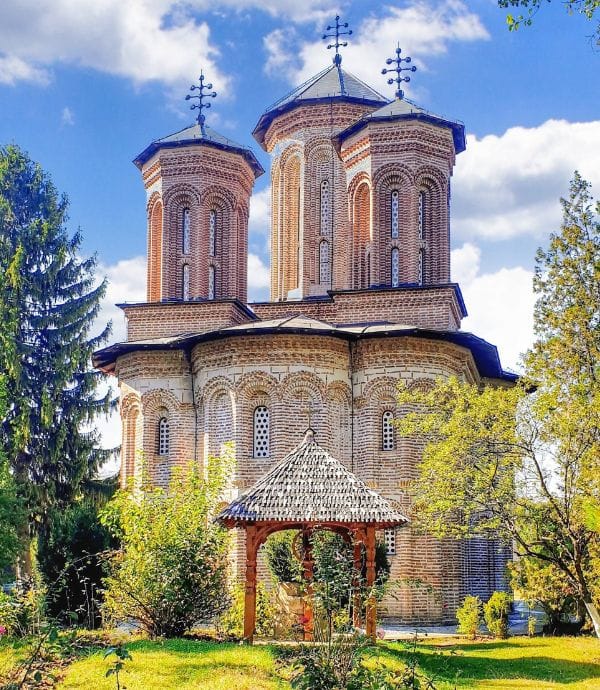
Snagov Monastery
Dracula's Tomb
Mogoșoaia Lake Palace: Brâncoveanu’s Masterpiece
A Venetian-Byzantine palace built in 1702, reflected in its own lake just 15km from Bucharest — and almost entirely overlooked by mainstream tourism.

Mogosoaia Lake Palace
Romanian Architecture
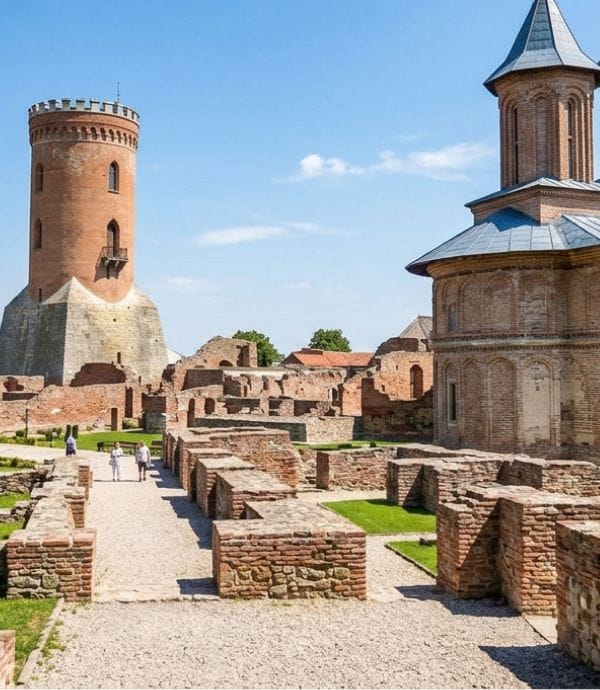
Dracula's True Castle
Targoviste
Târgoviște Princely Court: The Real Dracula’s Lair
The medieval seat of Wallachian power for over two centuries, and the place more closely tied to the real Vlad the Impaler than any castle in Transylvania.

Muddy Volcanoes
Berca
Mud Volcanoes: The Landscape That Shouldn’t Exist
A field of cold mud craters bubbling silently in Buzău County, set against a bare, eroded terrain that looks like it belongs on another planet.
Slănic Salt Mine: A Cathedral Carved in Salt
An enormous former salt mine in Prahova County with chambers reaching 70 meters high — now one of Romania’s most unexpected underground destinations. 2026 Insider Tip: The therapeutic microclimate inside the mine draws visitors for respiratory health as much as spectacle. In a private tour we pair Slănic with the surrounding Prahova Valley stops — wine country, monasteries, medieval towns — building it into a full day rather than a single curiosity.
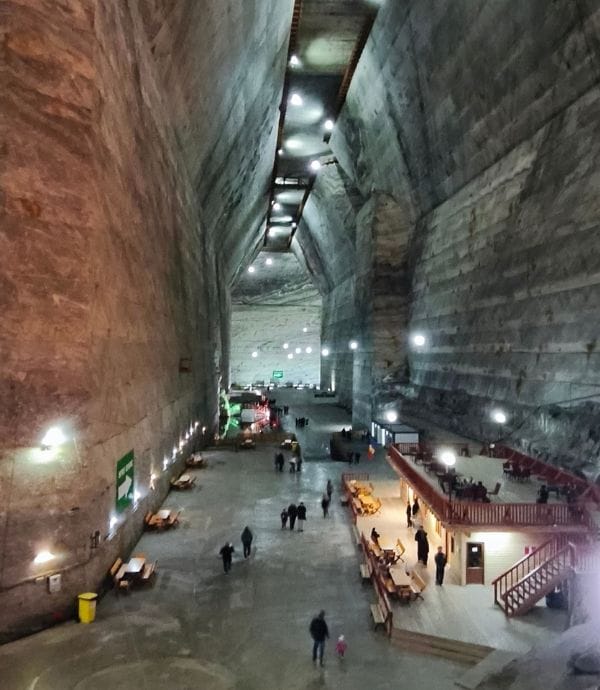
The Salt Mine
Slanic Prahova
Căldărușani Monastery: Wallachia’s Lakeside Canvas of Faith and Art
A monumental expression of Matei Basarab’s fortified architecture — built in 1638 on a secluded lake peninsula and preserving its peaceful, defensive grandeur centuries later.
2026 Insider Tip: Căldărușani is more than a monastery — it’s a historic sanctuary and a cradle of Romanian fine art. On a private tour, we connect it to the turbulent era of Wallachia’s ruling princes, the prestigious icon-painting school where a young Nicolae Grigorescu trained, and the tranquil lakeside landscape that shaped both, turning a beautiful historic refuge into a genuinely moving experience.

Caldarusani Monastery
Church Painting School
Must-See Landmarks in Wallachia
Which one of these places is already on your Wallachia Private Tour bucket list?
Snagov Monastery: An Island with an Unanswered Question
A 14th-century monastery on a lake island, reachable only by boat — and allegedly the final resting place of Vlad the Impaler.
2026 Insider Tip: The monastery is active and access requires some navigation — both logistically and historically. On a private tour we handle the boat crossing, and more importantly provide the full context of why Vlad’s burial here remains one of Romania’s most debated historical mysteries.
Snagov Monastery
Dracula's Tomb
Mogoșoaia Lake Palace: Brâncoveanu’s Masterpiece
A Venetian-Byzantine palace built in 1702, reflected in its own lake just 15km from Bucharest — and almost entirely overlooked by mainstream tourism.
Mogosoaia Lake Palace
Romanian Architecture
Târgoviște Princely Court: The Real Dracula’s Lair
The medieval seat of Wallachian power for over two centuries, and the place more closely tied to the real Vlad the Impaler than any castle in Transylvania.
Dracula's True Castle
Targoviste
Mud Volcanoes: The Landscape That Shouldn’t Exist
A field of cold mud craters bubbling silently in Buzău County, set against a bare, eroded terrain that looks like it belongs on another planet.
Muddy Volcanoes
Berca
Slănic Salt Mine: A Cathedral Carved in Salt
An enormous former salt mine in Prahova County with chambers reaching 70 meters high — now one of Romania’s most unexpected underground destinations. 2026 Insider Tip: The therapeutic microclimate inside the mine draws visitors for respiratory health as much as spectacle. In a private tour we pair Slănic with the surrounding Prahova Valley stops — wine country, monasteries, medieval towns — building it into a full day rather than a single curiosity.
The Salt Mine
Slanic Prahova
Căldărușani Monastery: Wallachia’s Lakeside Canvas of Faith and Art
A monumental expression of Matei Basarab’s fortified architecture — built in 1638 on a secluded lake peninsula and preserving its peaceful, defensive grandeur centuries later.
2026 Insider Tip: Căldărușani is more than a monastery — it’s a historic sanctuary and a cradle of Romanian fine art. On a private tour, we connect it to the turbulent era of Wallachia’s ruling princes, the prestigious icon-painting school where a young Nicolae Grigorescu trained, and the tranquil lakeside landscape that shaped both, turning a beautiful historic refuge into a genuinely moving experience.
Caldarusani Monastery
Church Painting School
Things to do in Wallachia
Taste of the Terroir: A Culinary Journey Through Wallachia
Shaped by Ottoman trade routes, vast Muntenian plains, and river valleys rich with orchard and vine, the food and drink of Wallachia tells a story no museum quite can. From world-class wine country an hour from Bucharest to a cluster of EU-certified products representing the best of Romanian terroir, this is quietly one of the most compelling gastronomic destinations in Eastern Europe.
Wine Country: Dealu Mare and the Hills of Wallachia
Wallachia is home to 16 major wine sub-regions and 48 large wineries, with Dealu Mare and Drăgășani recognized by red wine connoisseurs worldwide. Dealu Mare — Romania’s “Bordeaux” — sits on the southern Carpathian foothills about 90 minutes from Bucharest, celebrated for its Cabernet Sauvignon, Merlot, and local Fetească Neagră. A day trip along the Wine Road takes you past restored Wallachian manors, the 18th-century Bellu wine museum, and modern estates like Lacerta, where gravity-based cellars and hilltop tasting rooms make for an unforgettable afternoon. Further west, Drăgășani produces rare indigenous varieties — Crâmpoșie Selecționată, Negru de Drăgășani — found nowhere else on earth.
The Sweet Work of the Bees
Thanks to its native acacia forests and high mountain meadows, Wallachia is traditionally devoted to honey production. Combined with vast sunflower and linden fields across the Muntenian plains, this landscape produces a honey of exceptional purity and variety — pale golden acacia, dark aromatic forest honey, fragrant linden. Romania even has its own subspecies, the Carpathian honey bee (Apis mellifera carpatica), prized among beekeepers for its remarkable resistance to disease. Stopping at a roadside apiary stand in the Prahova Valley to taste and buy direct from the beekeeper is one of those simple Wallachian rituals you won’t forget.
EU-Protected Flavours: Three Products, One Region
Romania has earned EU Protected Geographical Indication (PGI) status for a small number of exceptional traditional products. Three of them come from Wallachia and its borderlands.
Cârnații de Pleșcoi — smoked sausages from Buzău County made from a minimum of 55% sheep meat combined with beef, spiced with red chilli, and produced to a recipe passed down through generations. Their origin carries a Balkan twist: Serbian and Bulgarian settlers who crossed the Danube after the Russo-Turkish wars brought their sausage-making traditions to the Pleșcoi area, where the recipe took root and became a symbol of the region.
Magiun de prune Topoloveni — a thick, dark plum spread from Argeș County, made from four local plum varieties cooked for ten hours over low heat with no added sugar. Romania’s first EU-protected food product (PGI since 2011), it has won multiple international taste awards and replaced American plum marmalade at NATO bases worldwide. Intensely flavoured, naturally sweet, and completely unlike anything else called “jam.”
Novac afumat din Țara Bârsei — bighead carp raised in the ponds of the Olt River floodplain near Brașov, filleted, salted, and hot-smoked using hardwood sawdust in the traditional style of the Bârsa Depression. The slower growth in cooler Carpathian waters produces a lean fillet — under 4% fat — with a compact texture and gently smoky, lightly salted flavour quite unlike anything smoked in the lowland style.
Local Gastronomical Points (Puncte Gastronomice Locale)
“Puncte Gastronomice Locale” (PGLs) are small, family-run dining spots authorized by the state to serve home-cooked meals using ingredients sourced exclusively from their own farms or from immediate neighbors. They offer the most authentic, uncommercialized representation of daily rural life.
While the PGL movement initially gained traction in Transylvania, it is now rapidly expanding throughout Wallachia, particularly in rural Prahova, Buzău, and Argeș. When you book a meal at a PGL, there is no vast restaurant menu. Instead, you are served the “menu of the day” based entirely on what is fresh and in season. You are typically welcomed into a local family’s courtyard to enjoy hearty dishes like slow-cooked rooster sour soup (ciorbă), freshly milled polenta with artisanal cheese, and seasonal vegetable stews, accompanied by a glass of homemade wine or plum brandy.
2026 Insider Tip: We recently added a private Wallachian food and wine day that combines two of the region’s best experiences in one. In the morning, we visit the Dealu Mare wine country — a stop at a boutique winery for a guided cellar tour and tasting of Fetească Neagră and local varietals. On the way back, we pull over at a roadside apiary for honey tasting direct from the beekeeper, and pick up Cârnați de Pleșcoi and Magiun de prune Topoloveni from a local producer. We end the day with a traditional lunch at a village restaurant that has never seen a tourist menu.
Best for: Food & wine travelers, authentic Wallachia experiences, rural culinary tourism in Romania.
The Artisan’s Touch: Uncovering Wallachia’s Handmade Heritage
Pottery: The Masterpiece of Horezu
When it comes to pottery in Wallachia (and arguably all of Romania), Horezu in Vâlcea County is the undisputed capital.
UNESCO Heritage: The traditional ceramics of Horezu are included in the UNESCO Intangible Cultural Heritage list. The craft flourished here in the late 17th century under the reign of Prince Constantin Brâncoveanu.
The Technique: Artisans use a unique, centuries-old method to decorate the clay. They apply liquid clay colors using a hollowed-out cow horn, and then use a fine quill (often a goose feather) to drag the colors into intricate, swirling spider-web patterns—a technique known as jirăvire.
Motifs and Colors: The signature motif is the “Horezu Rooster” (Cocoșul de Hurez), representing the resurrection and the awakening of the soul. Other common symbols include the tree of life, snakes, and spirals. The colors are earthy and extracted from local minerals: deep reds, greens, blues, and ivory.
Embroidery: The Symbolism of the Ie (The Romanian Blouse)
Embroidery in Wallachia is a deeply symbolic craft, famously showcased on the ie (the traditional Romanian blouse), which serves as a woven canvas of regional identity.
Structured Canvas: The blouse features specific embroidery zones, most notably the altiță (a densely embroidered shoulder band) and the râuri (vertical “rivers” of patterns flowing down the sleeves and chest).
Regional Styles: Eastern Wallachia (Muntenia) favors vibrant reds, blacks, and luxurious metallic threads with tiny sequins. Western Wallachia (Oltenia) is known for striking, dynamic contrasts, often using very fine, stark black stitches against white cloth.
A Visual Language: Hand-stitched onto crisp linen or hemp, the patterns are never random. Geometric shapes (diamonds, spirals) and natural elements (like the “Tree of Life”) act as ancient symbols meant to protect the wearer and tell their story.
Metalworking: Copper and Iron Traditions
Traditional metalworking in Wallachia is historically intertwined with the Roma communities, specifically the skilled artisans known as the Căldărari (coppersmiths/cauldron makers) and Fierari (blacksmiths).
Copper Stills and Cauldrons: The Căldărari are famous for hand-hammering massive copper stills. These are essential to Wallachian rural life, as they are used by local farmers to distill țuică (the traditional plum brandy). They also craft heavy copper cauldrons (ceaune) which are considered the absolute best vessels for boiling authentic polenta.
Where to find it: While less commercialized than pottery, you can still find these traditional metalworkers operating in rural pockets of Buzău, Ialomița, and on the outskirts of Bucharest, practicing a trade that has been passed down orally for generations.
Wood Carving: Sub-Carpathian Craftsmanship
While the northern region of Maramureș is globally famous for its monumental wooden gates and churches, Wallachia has a more localized, functional, and domestic wood-carving tradition, primarily found in the forested foothills of Argeș, Vâlcea, and Gorj counties.
Architectural Details: Look for the Cule—fortified, semi-defensive manor houses unique to Oltenia and western Wallachia (like the Maldăr Manor). They often feature beautifully carved wooden verandas, heavy oak doors, and intricate pillars.
Carved Spoons and Dowry Chests: On a smaller scale, Wallachian artisans excel at carving wooden spoons. These were historically functional but evolved into symbolic art pieces. A spoon carved with a rooster symbolizes hope, while a snake symbolizes protection of the household. Dowry chests with geometric, notched patterns are also a staple of traditional Wallachian homes.
Iconography: The Brâncovenesc Style and Folk Art
Religious art in Wallachia is highly distinct, heavily influenced by the region’s historical ties to the Byzantine tradition and the influx of local folk interpretations.
Icons on Wood (The Formal Tradition): Wallachia was the center of the “Brâncovenesc” style (late 17th to 18th century), which combined strict Byzantine dogmatic painting with Renaissance floral motifs. These icons are painted on specially prepared wooden panels using egg tempera and extensive gold leaf. You will see masterpieces of this style in the monasteries around Bucharest, Sinaia, and Curtea de Argeș.
Icons on Glass (The Peasant Tradition): It is important to note that painting icons in reverse on glass is fundamentally a Transylvanian folk art, born out of a lack of resources and religious oppression in the 18th century. However, because cultural exchange flowed freely across the Carpathian mountain passes, this craft spilled over into northern Wallachia. Wallachian glass icons are generally rustic, featuring vivid, unmixed colors, stylized (sometimes naïve) depictions of saints, and a deeply emotional, peasant-driven artistic vision.
2026 Insider Tip: Want to connect with the region’s creative soul before the daily rush? We can arrange an exclusive, early-morning visit to a traditional potter in Horezu or a local woodcarver in the Argeș villages just as they open their courtyard workshop. Sharing a morning coffee while watching the artisan shape their first piece of the day creates an intimate, unhurried cultural connection that standard tours simply cannot offer.
Best for: Art and culture lovers, tactile learners, slow travel enthusiasts, and visitors wanting a deeply personal connection to Wallachian handmade heritage in its authentic rural setting.
The Great Outdoors: Nature and Adventure in Wallachia
Wallachia’s natural landscape is defined by dramatic contrasts, offering an incredible diversity of outdoor adventures. From the towering, wind-sculpted peaks of the Southern Carpathians down to surreal geological wonders and tranquil southern wetlands, the region is a playground for nature enthusiasts. Whether you are driving legendary alpine passes, hiking to ancient rock formations, or kayaking through biodiverse reserves, Wallachia’s great outdoors provide a stunning and untamed backdrop for exploration.
Buzău Land UNESCO Global Geopark (Geological Wonders)
Located in the Carpathian Bend area, this recently designated UNESCO Geopark features highly unusual, almost extraterrestrial terrain.
The absolute highlight is the Mud Volcanoes (Vulcanii Noroioși), where subterranean gases push clay to the surface, creating bubbling, lunar-like craters. The geopark is also famous for the “Living Fires” (natural gas seeps that burn continuously) and the bizarre, bulbous sandstone formations known as Trovanți (living stones) in Ulmet.
Alpine Heights in the Bucegi Mountains
Dominating the Prahova Valley, the Bucegi massif offers some of the most accessible and dramatic high-altitude scenery in Romania.
You can take a cable car from the Wallachian resort towns of Sinaia or Bușteni straight up to the high plateau (over 2,000 meters). From there, you can hike across the tundra to the iconic, wind-sculpted rock formations known as The Sphinx and Babele (The Old Women).
The Transfăgărășan Highway (The Southern Ascent)
While this famous highway eventually crosses into Transylvania, the entire southern ascent winds through the Argeș County side of Wallachia, cutting through the towering Făgăraș Mountains.
Hailed as one of the most spectacular driving roads in the world, the Wallachian stretch takes you past the massive Vidraru Dam and the cliffside ruins of Poenari Citadel (the actual historic fortress of Vlad the Impaler). The twisting road leads you up to breathtaking alpine valleys and waterfalls.
Comana Natural Park (The “Delta” Near Bucharest)
If you want a pristine outdoor escape without venturing all the way to the mountains, Comana is a lush wetland ecosystem located less than an hour south of the capital.
Often referred to as the “Delta of the South,” it is Romania’s second most biodiverse wetland after the Danube Delta. It is an excellent spot for birdwatching, peaceful kayaking through the reed beds, or renting a bike to explore the surrounding ancient linden and oak forests.
The Olt River Valley and Cozia National Park
In western Wallachia (Oltenia), the Olt River has carved a massive, scenic gorge through the mountains, flanked by the rugged limestone ridges of Cozia.
This area beautifully combines wilderness with relaxation. You can hike the steep, forested trails of Mount Cozia for sweeping panoramic views of the river valley, and afterward, soak in the natural thermal springs found in the nearby spa towns of Călimănești and Căciulata.
2026 Insider Tip: Want to experience ultimate relaxation before the midday crowds arrive? We can arrange an exclusive, early-morning wellness circuit starting with a brisk mindfulness walk through the tranquil Snagov forest or the crisp mountain air of the Olt Valley. Afterward, you will step straight into steaming, mineral-rich geothermal pools or enjoy a private, farm-to-table detox breakfast. It is a deeply restorative, unhurried reset that standard spa packages completely miss.
Best for: Spa enthusiasts, couples, slow travel advocates, and anyone looking for a deep physical reset away from the urban hustle.
Wellness in Wallachia
Wallachia offers a rejuvenating blend of cutting-edge modern spas and centuries-old thermal traditions. Whether you are seeking a tropical escape near the capital or a mountainous retreat, the region provides excellent options to relax and recharge.
The Urban Oasis: Therme Bucharest
Located just outside the capital, Therme is a sprawling, glass-domed complex that brings the tropics to Romania. It is widely recognized as Europe’s largest wellness and relaxation center.
A lush, botanical escape featuring over 800,000 plants and a massive indoor palm grove.
Mineral-rich geothermal pools, water slides, and the adults-only Elysium area equipped with 10 thermally heated pools and numerous themed saunas.
The Lakeside Sanctuary: Country Spa Retreat
For a quieter, highly personalized experience, this boutique retreat sits near the serene shores of Lake Snagov. It focuses on holistic health and deep relaxation away from the urban crowds.
Secluded, personalized, and restorative.
Integrative health programs, fully customized detox and nutrition plans, a dedicated medical spa, and serene meditation zones.
The Mountain Springs: Cozia AquaPark
Nestled along the scenic Olt Valley in the Călimănești-Căciulata region, this area has been celebrated for its healing waters for centuries. It beautifully combines active leisure with traditional balneotherapy.
Active, family-friendly, and scenic, set against a backdrop of forested mountains and crisp air.
Year-round access to extensive indoor and outdoor thermal pools, modern hydrotherapy, and active water features.
2026 Insider Tip: “Do you have a deeper interest in this period? If so, we can easily add a private visit to Primăverii Palace to your communist city tour. This opulent villa served as Ceaușescu’s personal residence. Consequently, you will witness the stark contrast between the dictator’s private luxury and the severe austerity his people endured. Ultimately, this remains one of the most striking moments on any Bucharest itinerary.”
Best for: History travelers, Jewish heritage tourism, communist-era history, architecture enthusiasts, culturally curious travelers from the US and Canada.
Top Haunted Places in Wallachia
While Transylvania gets all the Hollywood vampire hype, Wallachia harbors a much deeper, more authentic supernatural history. From eerie urban legends echoing through the historic streets of Bucharest to chilling folklore hidden in the region’s dense forests, southern Romania offers a fascinating dive into the occult. If you are looking to explore the darker, untold side of local heritage, here are the top haunted destinations to discover.
Such ocult places include..
Chiajna Monastery (Bucharest): Abandoned after a plague outbreak before it was even consecrated, this ruined 18th-century church is notoriously eerie. Locals claim that if you visit during a full moon, you can still hear the tolling of its long-missing bell.
Iulia Hașdeu Castle (Câmpina): Built by a grieving scholar for his deceased teenage daughter, this bizarre miniature castle was reportedly designed entirely through spiritism sessions. Visitors frequently report hearing ghostly piano music drifting from the empty rooms.
Witches’ Pond (Balta Vrăjitoarelor, near Bucharest): Tucked away in the Boldu-Crețeasca Forest, this seemingly bottomless pond is said to be a historical gathering spot for witches. Local lore claims that spells cast here are amplified, and animals instinctively refuse to drink its waters.
Hotel Cișmigiu (Bucharest): This historic hotel harbors a tragic urban legend of a young student who lost her life in an elevator shaft in the early 1990s. Some claim her desperate cries for help can still be heard echoing through the building’s corridors late at night.
The Fire Tower (Foișorul de Foc, Bucharest): Once the tallest observation point for spotting fires in the city, this tower is rumored to be haunted by the ghost of a former firefighter’s wife. Witnesses have reported seeing strange, glowing lights and a spectral woman’s silhouette in the upper windows.
Orphanage on French Street (Old Town, Bucharest): According to dark local folklore, an orphanage at numbers 13-14 was once run by a cruel owner who kept children in terrible conditions. Passersby after midnight have reported hearing the sharp, unsettling cries of children begging for water.\
And more..
Radovan Forest (Dolj County): Located in the western part of Wallachia (Oltenia), this dense forest is home to the legend of the “Bride of Radovan.” The spirit of a young woman in a wedding dress who met a tragic end is said to wander among the trees, occasionally startling late-night drivers.
The Devil’s House (General Praporgescu Street, Bucharest): Fully covered in creeping ivy, this abandoned interwar house has a deeply sinister reputation. Legend dictates it was the site of multiple murders and a suicide, and some claim you can see the number 666 subtly formed by the vines under a full moon.
Spitalul Poștei (Bucharest): Dark urban legends surround this old hospital site, claiming it was a hub for horrific, illicit organ removals in the past. It is said that on cold winter nights, the moans of former patients can still be heard echoing from the old hallways and surrounding streets.
Central School for Girls (Școala Centrală, Bucharest): Housed in a stunning historic building designed by Ion Mincu, this prestigious school hides a spooky side. Legends speak of an intricate network of sealed basement tunnels, doors suddenly slamming shut, inexplicable cold spots, and faint screams echoing from the inner courtyard.
2026 Insider Tip: Want to experience the region’s dark history without leaving the capital? Book a specialized, late-night mythology walking or biking tour through Bucharest. You will wind through the historic center past notoriously haunted landmarks—like the Orphanage on French Street and the Cișmigiu Hotel—learning about local occult traditions, real urban legends, and genuine Romanian ghost stories that standard daytime history tours completely ignore.
Best for: Dark tourism enthusiasts, thrill-seekers, folklore lovers, and anyone looking to experience Wallachia’s authentic supernatural heritage.
Our Wallachia Private Tours
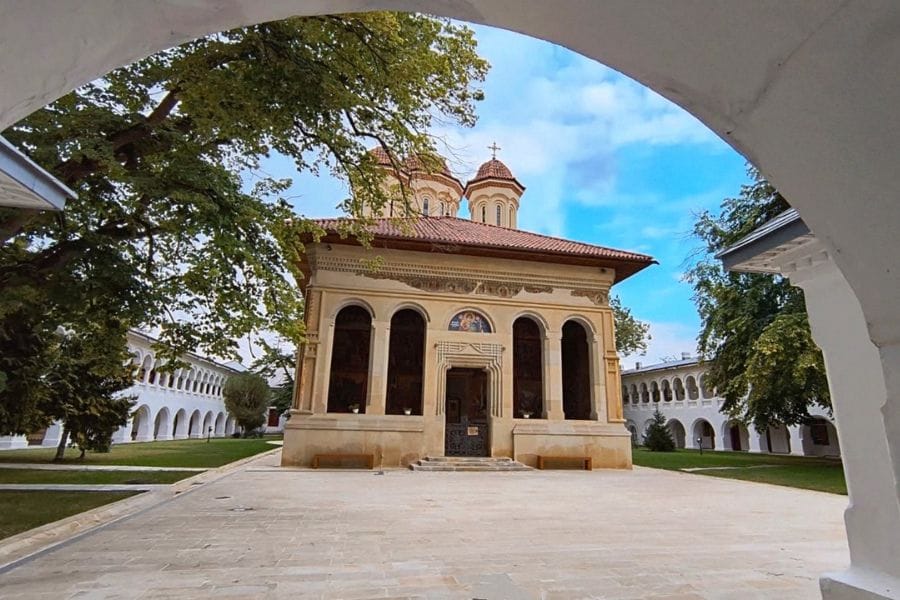
Mystical Monasteries | Dracula’s Tomb | Mogosoaia Lake Palace
5 to 6 hours
Focus: Orthodox Monasteries, Architecture, Natural Landscapes, History
Available in: EN | FR | IT read more…
Available in: EN | FR | IT read more…

Earth Explorers – Salt Mine and Muddy Volcanoes
10 hours
Focus: Deep Mines, Unique Natural Sites, Countryside Drive
Available in: EN | FR | IT read more…
Available in: EN | FR | IT read more…
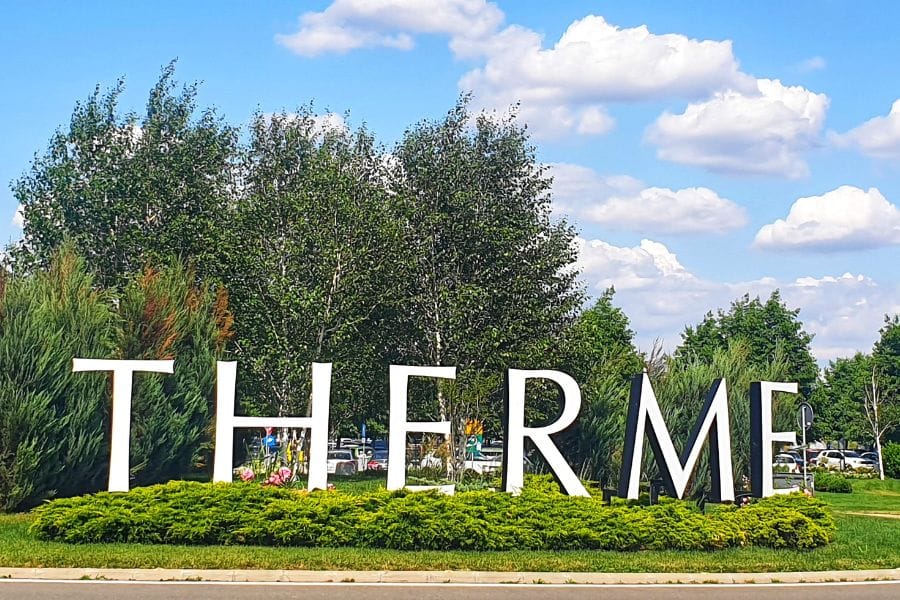
Therme Experience Tickets | Transfer
3 hours to full day
Focus: Relax, Recharge, Rejuvenate
Available in: EN | FR | IT read more…
Available in: EN | FR | IT read more…

