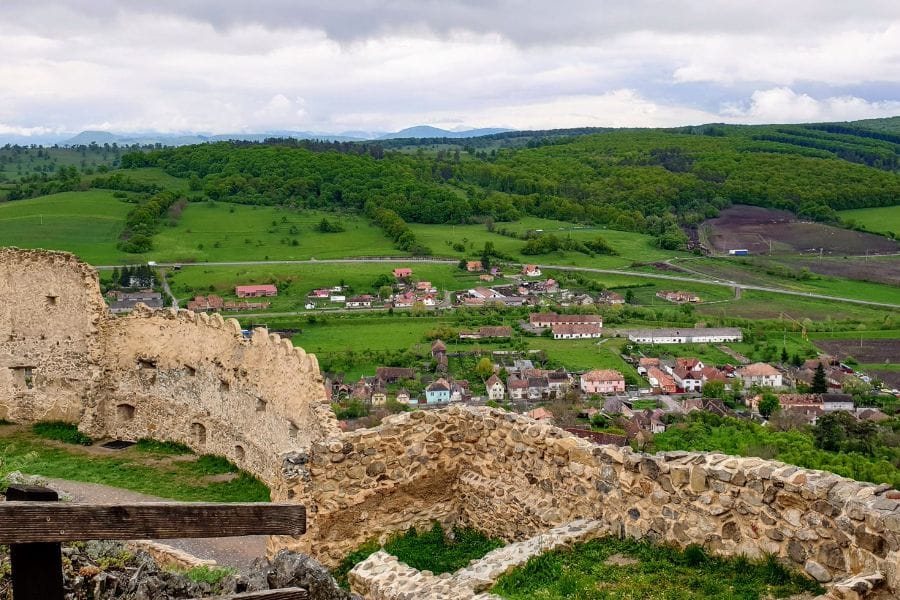
Transylvania Private Tours
Discover Transylvania Private Tours:
From Dracula’s Castle to the Medieval Magic of Brașov & Sibiu (2026 Guide)
Experience Transylvania private tours in a land where the line between myth and history beautifully blurs. While many travelers arrive drawn by the gothic mystery of Bran Castle, they quickly discover that the “real” Transylvania is far more enchanting. Specifically, in 2026, this region remains Europe’s premier destination for authentic slow travel.
Exploring the Real Transylvania
Furthermore, you can imagine standing in the heart of the Brașov Old Town or exploring the “eyes” of the houses in Sibiu. Additionally, you might wander the UNESCO-protected citadel of Sighișoara. From the royal opulence of Peleș Castle to the subterranean wonder of the Turda Salt Mine, every stop reveals a different century.
For those seeking adventure, Transylvania offers the world-famous Transfăgărășan Highway. In addition, it features the untamed beauty of the Carpathian Mountains and the Libearty Bear Sanctuary. Whether you stay in a Saxon mansion in Viscri or enjoy a tour through Corvin Castle, the experience feels worlds away from Western Europe. Ultimately, as your local experts, we reveal the stories and hidden paths that make Transylvania a journey of a lifetime.
Transylvania Private Tours
Discover Transylvania Private Tours: From Dracula’s Castle to the Medieval Magic of Brașov & Sibiu (2026 Guide)
Experience Transylvania private tours in a land where the line between myth and history beautifully blurs. While many travelers arrive drawn by the gothic mystery of Bran Castle, they quickly discover that the “real” Transylvania is far more enchanting. Specifically, in 2026, this region remains Europe’s premier destination for authentic slow travel.
Exploring the Real Transylvania
Furthermore, you can imagine standing in the heart of the Brașov Old Town or exploring the “eyes” of the houses in Sibiu. Additionally, you might wander the UNESCO-protected citadel of Sighișoara. From the royal opulence of Peleș Castle to the subterranean wonder of the Turda Salt Mine, every stop reveals a different century.
For those seeking adventure, Transylvania offers the world-famous Transfăgărășan Highway. In addition, it features the untamed beauty of the Carpathian Mountains and the Libearty Bear Sanctuary. Whether you stay in a Saxon mansion in Viscri or enjoy a tour through Corvin Castle, the experience feels worlds away from Western Europe. Ultimately, as your local experts, we reveal the stories and hidden paths that make Transylvania a journey of a lifetime.
Transylvania At a Glance (2026)
Transylvania is one of Europe’s most layered destinations — medieval citadels, Carpathian wilderness, Saxon villages frozen in time, and a wellness and food culture that rivals anywhere on the continent. This is what you need to know before you arrive.
Category | Essential Information for 2026 – Transylvania Private Tours |
|---|---|
Best Time to Visit | May–June & Sept–Oct — ideal weather, wildflower meadows in bloom, best light for photography. July–August — festival season (Haferland Week, TIFF, Sighișoara Medieval Festival). October 31 — legendary Halloween Night at Bran Castle. December — Christmas markets in Sibiu, Brașov & Sighișoara, among the most beautiful in Eastern Europe. |
Nearest Airports | Cluj-Napoca (CLJ) — main gateway, best connected to Western Europe, 2hrs from Sibiu. Sibiu (SBZ) — ideal for the Saxon village circuit, smaller but well connected. Târgu Mureș (TGM) — central Transylvania, good for the Székely Land area. Bucharest (OTP) — widest international connections including direct flights from New York; 2.5hrs by road to Brașov. Open-jaw itineraries (fly in to Cluj, out from Bucharest) work very well. |
Entry Requirements | EU/Schengen member since 2024 — no border checks for EU citizens. ETIAS Authorization — an online travel permit (€20) is expected for US, UK, CA & AU visitors; check current status before booking as the rollout date has shifted. |
Currency | Romanian Leu (RON). Cards widely accepted in cities and hotels. Cash essential for village markets, artisan workshops, and rural guesthouses. |
Top Landmarks | Bran Castle — the world’s most famous Dracula association. Turda Salt Mine — one of Europe’s most spectacular underground spaces. Sighișoara Citadel — the only continuously inhabited medieval citadel in Europe, UNESCO listed. Viscri Village — the Saxon Transylvania that King Charles III helped preserve. |
Getting Around | Public transport does not reach the places that define Transylvania. Private touring is the only way to access fortified churches, working artisan villages, mountain hides, and boutique wine cellars on your own schedule. |
Connectivity | Free Wi-Fi on board all our private vehicles throughout your tour. For broader connectivity, we can arrange a local Romanian eSIM before your arrival — a fraction of the cost of international roaming plans, with Romania’s exceptional network speeds from day one. |
Transylvania At a Glance (2026)
Transylvania is one of Europe’s most layered destinations — medieval citadels, Carpathian wilderness, Saxon villages frozen in time, and a wellness and food culture that rivals anywhere on the continent. This is what you need to know before you arrive.
July–August: Festival season (Haferland Week, TIFF, Sighișoara Medieval Festival).
October 31: Legendary Halloween Night at Bran Castle.
December: Christmas markets in Sibiu, Brașov & Sighișoara, among the most beautiful in Eastern Europe.
Sibiu (SBZ): Ideal for the Saxon village circuit, smaller but well connected.
Târgu Mureș (TGM): Central Transylvania, good for the Székely Land area.
Bucharest (OTP): Widest international connections including direct flights from New York; 2.5hrs to Brașov. Open-jaw itineraries work very well.
ETIAS Authorization: An online travel permit (€7) is expected for US, UK, CA & AU visitors; check current status before booking as the rollout date has shifted.
Note: Cash essential for village markets, artisan workshops, and rural guesthouses.
Turda Salt Mine: One of Europe’s most spectacular underground spaces.
Sighișoara Citadel: The only continuously inhabited medieval citadel in Europe, UNESCO listed.
Viscri Village: The Saxon Transylvania that King Charles III helped preserve.
eSIM: We can arrange a local Romanian eSIM before your arrival—a fraction of the cost of international roaming with exceptional 5G speeds from day one.
Top Places to Visit in Transylvania
Transylvania is a year-round destination blending medieval history with the wild beauty of the Carpathian Mountains. Whether you are chasing legends at Bran Castle or seeking the “Slow Travel” peace of the Saxon villages, here is what you need to know for your 2026 journey in one of our Transylvania Private Tours.
Brașov: The Crown of Transylvania
A medieval masterpiece at the foot of the Carpathian Mountains.Brasov
2026 Update: The Black Church has recently completed a specialized preservation project for its world-famous collection of 119 Anatolian carpets—the largest outside Turkey.
Don’t Miss: Nestled at the foot of the Postăvaru Mountain, Brașov is a medieval jewel. Explore the Gothic grandeur of the Black Church, wander through the vibrant Council Square, and ride the cable car to the top of Mount Tâmpa for the iconic city view. It is the perfect central hub for your Transylvanian adventure.
Sibiu: The City with Eyes
A pedestrian’s paradise where the houses literally watch you.Sibiu
2026 Update: Keep an eye out for the Sibiu Travel Festival (launched in early 2026), making the city an even bigger hub for international tourism.
Don’t Miss: Famous for its roofs with “eyes” that seem to follow you, Sibiu is a pedestrian’s paradise. Walk across the Bridge of Lies, visit the towering Lutheran Cathedral, and soak in the bohemian vibe of the Small and Large Squares. It is a city that effortlessly blends Saxon heritage with a world-class culinary scene.
Sighișoara: A Living Medieval Fairytale
A UNESCO World Heritage site and the legendary birthplace of Vlad the Impaler.Sighisoara
2026 Update: Still one of the only permanently inhabited medieval citadels in Europe, offering an incredibly authentic “time travel” experience.
Don’t Miss: A Living Medieval Fairytale A UNESCO World Heritage site and the birthplace of Vlad the Impaler. Wander through the nine remaining towers of the citadel, climb the 176 steps of the Scholars’ Stairs, and feel the pulse of the Middle Ages in Europe’s best-preserved inhabited fortress.
Alba Iulia: The Star-Shaped Fortress
The spiritual heart of Romania and a masterpiece of military architecture.Alba Iulia
2026 Update: The ceremonial Changing of the Guard (featuring 18th-century Austrian uniforms and horses) remains the highlight. Check the 12:00 PM daily schedule for the full show at the 3rd and 4th gates.
Don’t Miss: Exploring the Alba Carolina Citadel, a massive star-shaped fortress with seven baroque gates.
The Transfăgărășan: The World's Best Road
90 kilometers of dramatic twists, turns, and glacial views.The Transfagarasan Road
2026 Update: The road is tentatively scheduled to open for the full 2026 season on July 1st (weather permitting). Note that for 2026, authorities have increased safety signage due to frequent brown bear sightings along the road.
Don’t Miss: A stop at Bâlea Lake at the summit (2,042m) and the sheer 166-meter drop of the Vidraru Dam.
The Saxon Villages: A Journey Back in Time
A cluster of over 150 fortified villages where medieval life remains beautifully intact.The Transyilvanian Saxon Villages
2026 Update: The Viscri 2026 Sustainability Initiative has successfully reduced large bus traffic, making the village more peaceful and exclusive for private tours. Travelers now seek out the “lesser-known” gems like Mălâncrav, which holds the largest Gothic pre-Reformation fresco in Transylvania.
Don’t Miss: The UNESCO Fortified Church of Viscri, the “Marital Prison” in Biertan, and the royal heritage charm of the King’s House.
Top Places to Visit in Transylvania
Transylvania is a year-round destination blending medieval history with the wild beauty of the Carpathian Mountains. Whether you are chasing legends at Bran Castle or seeking the “Slow Travel” peace of the Saxon villages, here is what you need to know for your 2026 journey in one of our Transylvania Private Tours.
Brașov: The Crown of Transylvania
A medieval masterpiece at the foot of the Carpathian Mountains.Brasov
2026 Update: The Black Church has recently completed a specialized preservation project for its world-famous collection of 119 Anatolian carpets—the largest outside Turkey.
Don’t Miss: Nestled at the foot of the Postăvaru Mountain, Brașov is a medieval jewel. Explore the Gothic grandeur of the Black Church, wander through the vibrant Council Square, and ride the cable car to the top of Mount Tâmpa for the iconic city view. It is the perfect central hub for your Transylvanian adventure.
Sibiu: The City with Eyes
A pedestrian’s paradise where the houses literally watch you.Sibiu
2026 Update: Keep an eye out for the Sibiu Travel Festival (launched in early 2026), making the city an even bigger hub for international tourism.
Don’t Miss: Famous for its roofs with “eyes” that seem to follow you, Sibiu is a pedestrian’s paradise. Walk across the Bridge of Lies, visit the towering Lutheran Cathedral, and soak in the bohemian vibe of the Small and Large Squares. It is a city that effortlessly blends Saxon heritage with a world-class culinary scene.
Sighișoara: A Living Medieval Fairytale
A UNESCO World Heritage site and the legendary birthplace of Vlad the Impaler.Sighisoara
2026 Update: Still one of the only permanently inhabited medieval citadels in Europe, offering an incredibly authentic “time travel” experience.
Don’t Miss: A Living Medieval Fairytale A UNESCO World Heritage site and the birthplace of Vlad the Impaler. Wander through the nine remaining towers of the citadel, climb the 176 steps of the Scholars’ Stairs, and feel the pulse of the Middle Ages in Europe’s best-preserved inhabited fortress.
Alba Iulia: The Star-Shaped Fortress
The spiritual heart of Romania and a masterpiece of military architecture.Alba Iulia
2026 Update: The ceremonial Changing of the Guard (featuring 18th-century Austrian uniforms and horses) remains the highlight. Check the 12:00 PM daily schedule for the full show at the 3rd and 4th gates.
Don’t Miss: Exploring the Alba Carolina Citadel, a massive star-shaped fortress with seven baroque gates.
The Transfăgărășan: The World's Best Road
90 kilometers of dramatic twists, turns, and glacial views.The Transfagarasan Road
2026 Update: The road is tentatively scheduled to open for the full 2026 season on July 1st (weather permitting). Note that for 2026, authorities have increased safety signage due to frequent brown bear sightings along the road.
Don’t Miss: A stop at Bâlea Lake at the summit (2,042m) and the sheer 166-meter drop of the Vidraru Dam.
The Saxon Villages: A Journey Back in Time
A cluster of over 150 fortified villages where medieval life remains beautifully intact.The Transyilvanian Saxon Villages
2026 Update: The Viscri 2026 Sustainability Initiative has successfully reduced large bus traffic, making the village more peaceful and exclusive for private tours. Travelers now seek out the “lesser-known” gems like Mălâncrav, which holds the largest Gothic pre-Reformation fresco in Transylvania.
Don’t Miss: The UNESCO Fortified Church of Viscri, the “Marital Prison” in Biertan, and the royal heritage charm of the King’s House.
Must-See Landmarks in Transylvania
Which ones of these places you would like to include in your tour choice from our Transylvania Private Tours?
Peleș Castle: Neo-Renaissance Luxury
A royal masterpiece and the former summer residence of the Romanian Kings.
2026 Insider Tip: With limited daily entry slots for 2026, we handle all your timed-entry logistics so you can enjoy the 170 rooms of German Renaissance opulence without the wait.
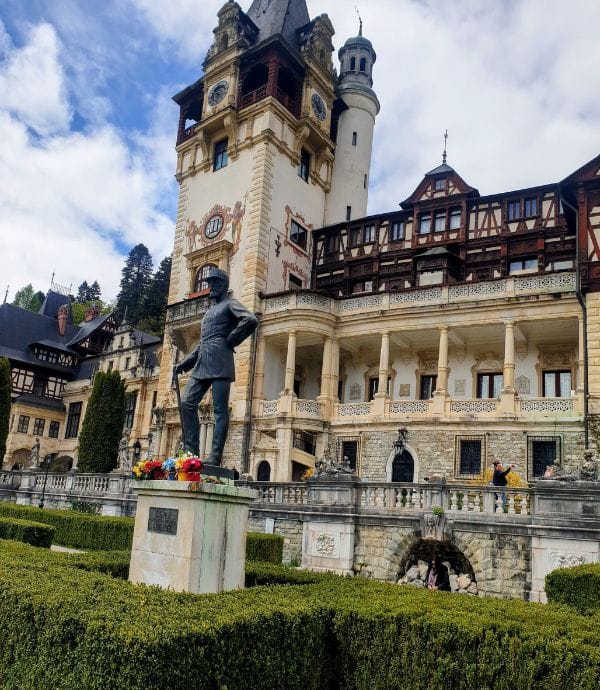
Peles Royal Castle
Sinaia
Bran Castle: Beyond the Dracula Myth
Perched on a 200-foot cliff, this 14th-century fortress is the world’s most famous “vampire” castle.
2026 Insider Tip: Our private tours skip the kitsch and focus on the real history of Queen Marie and the secret staircases that were actually used by the royal family.
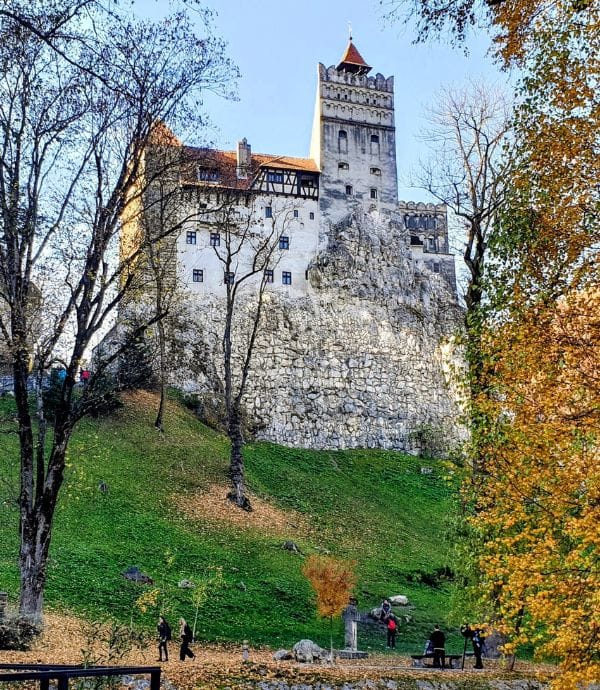
Dracula's Castle
Bran
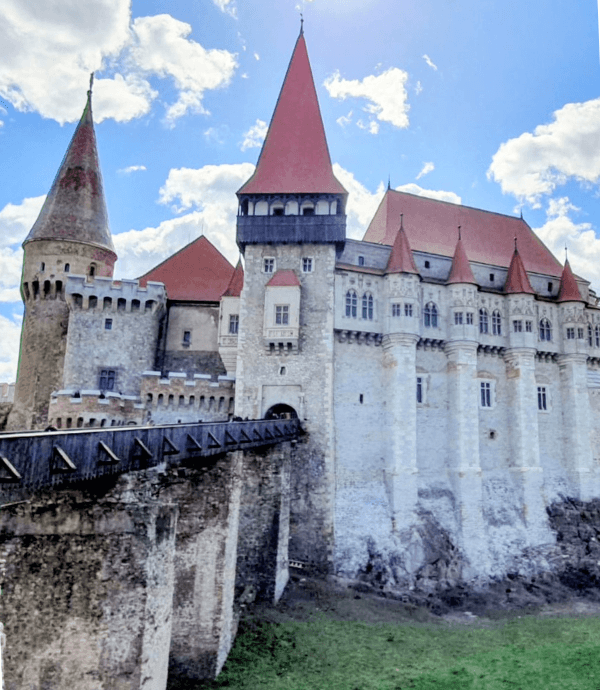
Corvinilor Castle
Deva
Corvin Castle: The Gothic Giant
Europe’s most authentic medieval fortress, complete with a massive drawbridge and eerie dungeons.
2026 Insider Tip: Following the 2026 restoration of the frescoes, the Knight’s Hall and the interior courtyards offer the most pristine medieval atmosphere in the Balkans.
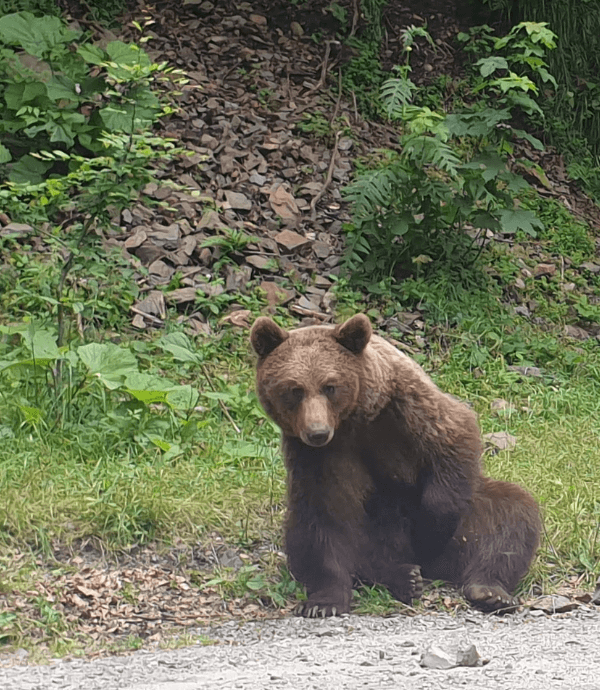
Libearty Bear Sanctuary
Zarnesti
Libearty Bear Sanctuary: Ethical Haven for Brown Bears
The world’s largest brown bear sanctuary, with over 100 rescued bears in a lush 69 ha forest.
2026 Insider Tip: Starting June 1, 2026, we can book the exclusive “Super VIP Train Tour” for private groups—a seamless way to see the sanctuary’s hidden areas.
The Black Church: A Gothic Masterpiece
The largest Gothic structure between Vienna and Istanbul, the heart of Brașov.
2026 Insider Tip: Home to a massive 4,000-pipe Buchholz organ and the largest collection of Anatolian carpets in Europe. The 2026 lighting upgrades now make the smoke-charred interior even more dramatic.
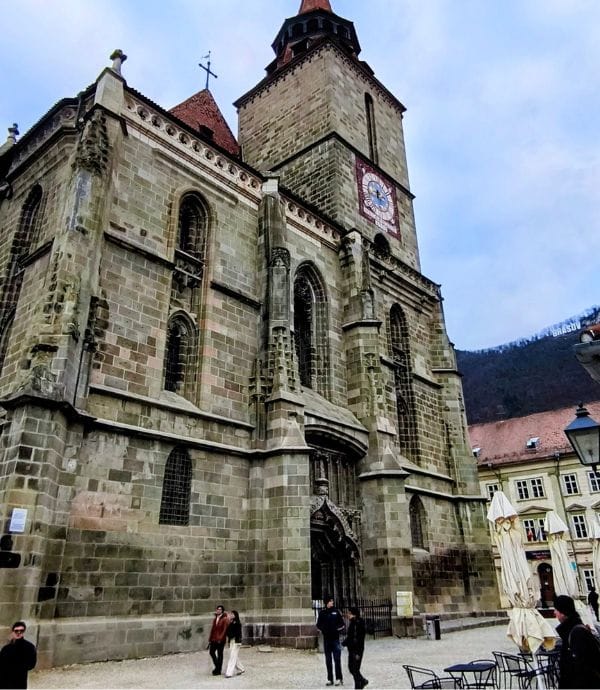
Black Church
Brasov
Prejmer: The Unconquerable UNESCO Fortress
The strongest fortified church in Transylvania, designed like a honeycomb to house the entire village.
2026 Insider Tip: Explore the UNESCO-protected “Death Organ” and walk through the 270 rooms where medieval families survived some of the longest sieges in history.
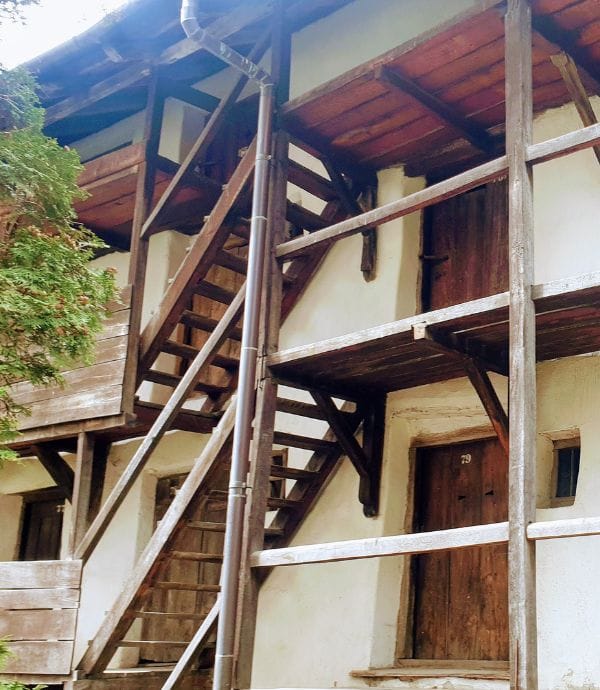
UNESCO Fortified Peasant Church
Prejmer
Must-See Landmarks in Transylvania
Peleș Castle: Neo-Renaissance Luxury
A royal masterpiece and the former summer residence of the Romanian Kings.
2026 Insider Tip: With limited daily entry slots for 2026, we handle all your timed-entry logistics so you can enjoy the 170 rooms of German Renaissance opulence without the wait.
Peles Royal Castle
Sinaia
Bran Castle: Beyond the Dracula Myth
Perched on a 200-foot cliff, this 14th-century fortress is the world’s most famous “vampire” castle.
2026 Insider Tip: Our private tours skip the kitsch and focus on the real history of Queen Marie and the secret staircases that were actually used by the royal family.
Dracula's Castle
Bran
Corvin Castle: The Gothic Giant
Europe’s most authentic medieval fortress, complete with a massive drawbridge and eerie dungeons.
2026 Insider Tip: Following the 2026 restoration of the frescoes, the Knight’s Hall and the interior courtyards offer the most pristine medieval atmosphere in the Balkans.
Corvinilor Castle
Deva
Libearty Bear Sanctuary: Ethical Haven for Brown Bears
The world’s largest brown bear sanctuary, with over 100 rescued bears in a lush 69 ha forest.
2026 Insider Tip: Starting June 1, 2026, we can book the exclusive “Super VIP Train Tour” for private groups—a seamless way to see the sanctuary’s hidden areas.
Libearty Bear Sanctuary
Zarnesti
The Black Church: A Gothic Masterpiece
The largest Gothic structure between Vienna and Istanbul, the heart of Brașov.
2026 Insider Tip: Home to a massive 4,000-pipe Buchholz organ and the largest collection of Anatolian carpets in Europe. The 2026 lighting upgrades now make the smoke-charred interior even more dramatic.
Black Church
Brasov
Prejmer: The Unconquerable UNESCO Fortress
The strongest fortified church in Transylvania, designed like a honeycomb to house the entire village.
2026 Insider Tip: Explore the UNESCO-protected “Death Organ” and walk through the 270 rooms where medieval families survived some of the longest sieges in history.
UNESCO Fortified Peasant Church
Prejmer
Things to do in Transylvania
Transylvania Food & Wine Tours: Three Kitchens, One Extraordinary Table
Transylvania’s food culture is unlike anything else in Europe. This is not because it belongs to one culinary tradition, but rather because it belongs to three. As one Transylvanian host put it simply: “Transylvania has three main kitchens: Hungarian, Romanian, and Saxon.”
Consequently, centuries of coexistence between these communities—shaped further by Ottoman trade routes and Austro-Hungarian influence—produced a unique table. On this table, paprika-rich Hungarian stews sit beside German-style Saxon pies and Romanian wood-fire cooking. Ultimately, each dish carries the memory of the people who created it.
The Three Kitchens on Your Plate
The Saxon culinary heritage is rooted in Central European tradition, yet it absorbed centuries of Romanian and Hungarian influence. For instance, tarragon and marjoram—brought by the Saxons during the Middle Ages—remain defining aromatics of the region to this day.
In addition to these herbs, you can still find hanklich (or lichiu) in Saxon villages like Viscri and Criț. This traditional centuries-old Saxon pie is made with leavened dough and topped with seasonal fruit. Furthermore, it is still baked in the same wood-fired ovens used for the week’s bread.
The Hungarian (Székely) kitchen brought paprika, goulash, and the beloved kürtőskalács. This spiral sweet bread has been documented in Transylvania since 1679 and remains essential to any wedding menu. Similarly, Hungarian töltött káposzta and Romanian sarmale (stuffed cabbage) share the same soul across the linguistic divide. Indeed, they are two versions of the same ancient comfort.
Meanwhile, Romanian village cooking anchors everything in the land. This includes bulz (polenta balls stuffed with sheep cheese) and brânză de burduf, which is aged in fir bark. Moreover, the slow-cooked ciorbă soups represent a lasting taste memory of cultural exchange, with a name traced back to the Ottoman word çorba.
The Bread of Transylvania
Few things speak to Transylvanian identity like its bread. For centuries, every household maintained its own secret maia (sourdough starter) and baked in massive wood-fired brick ovens. As a result, this ritual became woven into local custom, complete with specific prayers said over the rising dough.
The most distinctive regional variety is the Székely potato bread. This large, thick-crusted boule features a cracked surface and a potato-enriched dough. Specifically, it fills the kitchen with a scent that travelers remember for years. In villages near Sibiu, local bakers still fire their ovens once a week to load massive 3kg loaves. Because of this tradition, we time our private tours to coincide exactly with baking day.
Local Gastronomic Points & Village Specialties
Sibiu holds the honorary title of European Gastronomic Region, and the surrounding area makes that title feel earned. For example, in the Mărginimea Sibiului region, shepherds still prepare meals using only what the mountain provides.
Likewise, in Mălâncrav, century-old apple orchards define the local cuisine, resulting in a unique soup finished with apple and sour cream. In Alma Vii, another Saxon recipe survives: oven-baked cabbage wrapped in bread dough. Instead of offering standard restaurant meals, we arrange private visits where you can take a seat at a real family table.
Wine: The Târnave Valleys
Vine cultivation in Transylvania stretches back more than 2,000 years. Currently, vineyards are planted along three river valleys—the Târnava, Mureș, and Sebeș—across five DOC regions.
The cool plateau climate produces something quite different from Romania’s southern reds. Specifically, the Târnave appellation is known for aromatic whites like Fetească Regală. However, for those seeking indigenous varieties, Fetească Albă offers a uniquely Romanian experience. To ensure authenticity, we visit boutique, family-run producers rather than large commercial estates.
Spirits: Pălincă, Vișinată & the Art of the Still
Pălincă is the true spirit of Transylvania. It is double-distilled, bold, and taken very seriously. Usually made from plums or pears, it reaches 50–55% ABV and is sipped slowly before meals.
In contrast, Vișinată (sour cherry) and afinată (blueberry) are gentler counterpoints. These are household liqueurs made by macerating fruit with sugar for months. Because every pour comes with a story about a grandmother’s garden, it feels deeply personal.
To conclude the experience, we include a private tasting session at a small-batch distillery. Here, you can enjoy flights of pălincă alongside local wines, paired with slănină and aged cheese.
2026 Insider Tip: We’ve recently expanded our Slow Food partners to include a truffle hunting session in ancient oak forests. Additionally, we now offer a private baking morning in a village home, where guests can knead dough alongside their host.
Best for: Food lovers, wine and spirits enthusiasts, and those seeking slow travel itineraries.
Traditional Crafts in Transylvania: Private Access to Europe’s Last Living Artisans
Transylvania is one of the few places in Europe where medieval craft traditions remain alive. Because these communities lived in isolation for centuries, they produced a remarkably diverse heritage. In fact, in certain villages, those traditions are still in the hands of working masters.
Consequently, our private craft tours go beyond souvenir shops. Instead, we offer private access to Europe’s last living artisans. For instance, you can visit a traditional blacksmith or a master woodcarver. By doing so, you support the preservation of this unique cultural legacy.
What you’ll encounter:
Coppersmithing in Brateiu — the Kalderash Roma (Căldărari) community has practiced hand-hammered copper-work for centuries, producing kettles, coffee pots, and decorative vessels using techniques unchanged since the Transylvanian aristocratic estates. One of the most distinctive private craft encounters in Romania.
Saschiz blue sgraffito pottery — a technique practiced for over 300 years in a single Saxon village, where patterns are revealed by scratching through the outer ceramic layer — a tradition that died out and has now been authentically revived.
Reverse-glass icon painting (pictură pe sticlă) — a craft that developed in 17th-century Transylvania and became one of the defining expressions of Romanian peasant identity. The village of Sibiel, near Sibiu, holds over 600 historic glass icons — and the craft is actively being taught again.
Kalotaszeg embroidery — Hungarian írásos (written embroidery) from the Kalotaszeg region is one of the most intricate textile traditions in Central Europe, with patterns that functioned as a visual language across communities
Wool & weaving traditions — from hand-loom weaving to felted wool work in Saxon villages, these textile crafts remain genuinely alive — practiced daily, not staged for visitors.
2026 Insider Tip: “We’ve added a private half-day with a master of reverse-glass icon painting near Sibiu — guests try the technique themselves and leave with a piece they’ve made. We can also arrange a morning at the Brateiu copper forge, watching a family workshop in full production.”
Best for: Art lovers, cultural tourism in Romania, heritage travel, collectors, photography tours.
Outdoor Adventures in Transylvania: The Carpathian Wilderness on Your Own Terms
The Carpathian Mountains of Transylvania contain some of the most biodiverse and least-touched wilderness in Europe — ancient oak forests, wildflower meadows, volcanic landscapes, and river valleys where hay is still cut by hand and horses remain the primary transport. Our outdoor itineraries are built around genuine immersion, not guided crowds.
We tailor every experience to your pace and interest — from slow and scenic to physically demanding.
The Wild Carpathian Escape
The Carpathian Mountains of Transylvania contain Europe’s most biodiverse wilderness. Specifically, you will find ancient oak forests, volcanic landscapes, and wildflower meadows. In addition, you can explore river valleys where locals still cut hay by hand. Our outdoor itineraries focus on genuine immersion. Therefore, we tailor every experience to your specific pace and interest.
Horseback Riding & Traditional Travel
First, we offer horseback riding through the rolling hills of the Carpathians. Because these landscapes remain unmarked, serious riders call this area Europe’s last great riding heaven. Furthermore, we arrange private rides through Saxon villages and shepherd country. Similarly, you can enjoy horse-drawn carriage rides. This offers a gentler journey through the meadows and the quiet pace of rural Transylvania.
Adventure: E-Bikes and Hiking
Alternatively, you can explore our curated e-bike itineraries. For example, we offer routes through the volcanic geology of Racoș or the Olt Valley. Additionally, we provide guided hiking in Transylvania. Specifically, you can walk from village to village or trek the Făgăraș Mountains. Moreover, we offer sections of the famous Via Transilvanica. This trail was named by National Geographic as one of the Best of the World in 2025. Consequently, it is the perfect way to see UNESCO heritage sites and medieval citadels.
Photography, Golf, and Wildlife
Next, we organize private photography expeditions. For instance, we depart at dawn to photograph wild bison, brown bears, and the rare Eurasian lynx. Furthermore, we offer golf in Transylvania. You can play at the Theodora Golf Club or the historic Paul Tomiță course. Both locations offer stunning mountain panoramas.
2026 Insider Tip: “We have recently added a private bear-watching session at a professional hide at dusk. In addition, you can combine this with a sunrise photography ride. Ultimately, this creates the full Carpathian experience.”
Best for: Active travelers, wildlife enthusiasts, hiking holidays in Romania, photography tours, adventure travel in Eastern Europe.
Wellness in Transylvania: Salt Lakes, Ancient Mines & Carpathian Sanctuary
Transylvania sits on one of Europe’s richest concentrations of natural healing environments. Specifically, this is a legacy of ancient salt deposits that shaped the region’s history for millennia. Today, we offer a wellness landscape unlike anything in mainstream European travel. For example, you can explore underground salt cathedrals and therapeutic lakes. Furthermore, our mountain retreats provide zero connectivity and complete quiet.
Healing Waters and Salt Cathedrals
First, we visit the Turda Salt Mine. Its unique microclimate has been used for salt air therapy for over a century. In addition, we explore the Ocna Sibiului salt lakes. These lakes formed naturally as ancient salt mines collapsed. Because the water contains 415g/l of salinity, you float effortlessly. Similarly, the mineral-rich water and mud treat various skin conditions.
Next, we journey to Sovata and Bear Lake. This is the largest heliothermic lake in Europe. Consequently, it functions as a natural heated saltwater pool. Additionally, we recommend the Bazna mineral spa. This quieter Saxon town has been famous for its therapeutic mud since 1842. Ultimately, it is the perfect choice for guests seeking genuine rest.
Digital Detox and Volcanic Retreats
Alternatively, you can choose our mountain digital detox retreats. These remote Carpathian guesthouses offer wood-fired rooms and forest walking paths. Furthermore, we provide a mountain spa experience in volcanic Transylvania. Set at 1,000 meters in the Bodoc Mountains, this resort uses local blue clay and Praid salt. Specifically, you can combine this with a visit to Saint Anne Lake, the only volcanic crater lake in Central Europe.
2026 Insider Tip: “We have recently added a private mud treatment session at Ocna Sibiului. Following this, you can enjoy a float in the salt lakes at sunset. Indeed, guests consistently call it the most unexpected highlight of their entire journey.”
Best for: Wellness travel Romania, spa holidays Eastern Europe, burnout recovery, couples retreats, natural therapy.
Transylvania Festivals & Heritage Events: The Living Calendar
Transylvania has one of the most layered cultural calendars in Central Europe. Specifically, it spans world-class performing arts, medieval traditions, and Saxon heritage weeks. Furthermore, you can experience the most atmospheric Christmas markets in Romania. Therefore, planning your visit around these events transforms a great trip into an unforgettable one. We provide the logistics, context, and consequently, private or priority access.
The Major Annual Festivals
First, the Sibiu International Theatre Festival in June is one of the world’s largest performing arts events. Next, in July, we recommend the Sighișoara Medieval Festival. Because this takes place inside a continuously inhabited citadel, knights and artisans recreate 15th-century life where it actually happened. Additionally, Haferland Week in August offers a week-long celebration of Saxon culture across ten historic villages. Ultimately, this is the most intimate heritage event in the region.
In addition, you can attend the Transylvania International Film Festival in Cluj-Napoca. Alternatively, if you visit in October, you can experience Halloween Night at Bran Castle. Finally, from November to December, Sibiu and Brașov host beautiful Christmas markets. Specifically, these markets feature medieval architecture, handmade crafts, and mulled wine.
Village Fairs and Local Traditions
Beyond the headline events, Transylvania’s village calendar includes unique local fairs. For example, we can visit the Cheese and Brandy Festival in Rășinari or the Cabbage Festival in Moșna. Similarly, eighty villages gather for music and dancing at the Târgul de Fete. Indeed, these smaller events are where the real Transylvania reveals itself.
2026 Insider Tip: “We can build your entire itinerary around the festival calendar. For instance, we combine a headline event with a village fair. In addition, we provide private after-hours access to folklore performances. Ultimately, this creates a truly bespoke cultural journey.”
Best for: Cultural tourism Romania, heritage travel, festival holidays Europe, medieval history enthusiasts, Christmas market tours.
Our Transylvania Private Tours
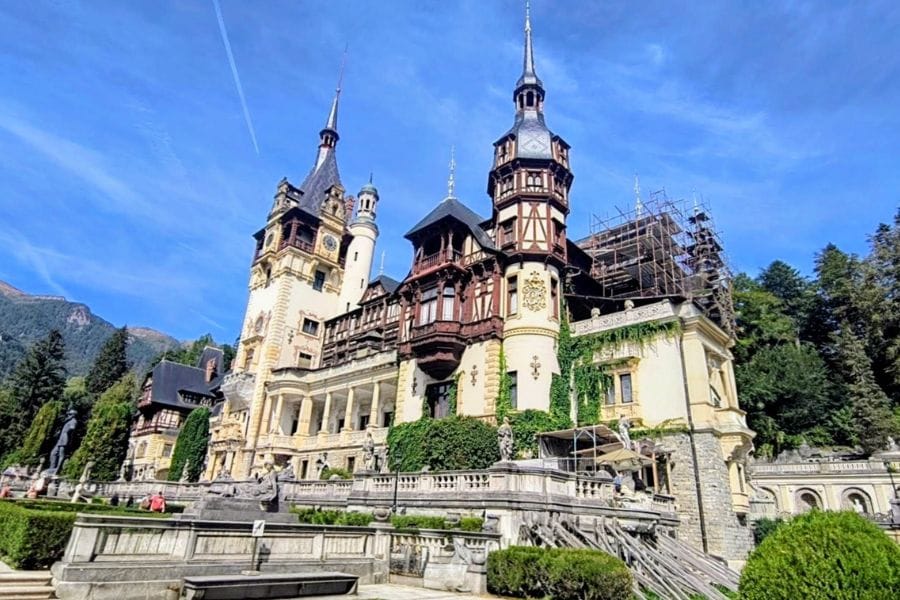
Transylvanian Castles – Peles and Bran Dracula | Brasov Saxon City
Duration: 12 hours
Focus: History, Dracula’s Legend, Natural Landscapes
Available in: EN | FR | IT read more…
Available in: EN | FR | IT read more…
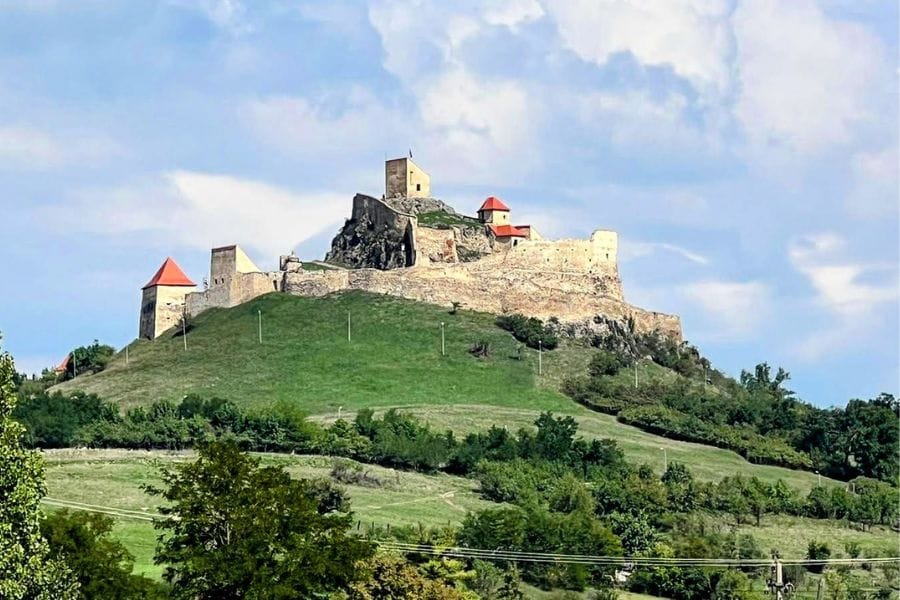
Transylvanian Fortifications – Royal Castles, Saxon Villages & Medieval Citadels
Duration: 2 days with Accommodation
Focus: Medieval Fortifications, History, Natural Landscapes
Available in: EN | FR | IT read more…
Available in: EN | FR | IT read more…