

Bucovina and Maramures Private Tours
Northern Romania — Where the Middle Ages Never Ended
Most Romania itineraries stop at Transylvania. The travelers who push further north — past the Carpathian ridgelines and into the old principalities of Bucovina and Maramureș — tend to come back with a different look in their eyes. This is the part of Romania that stops you cold. Two regions, side by side, each extraordinary in its own way: Bucovina, where 500-year-old monastery walls are covered in frescoes so vivid they seem freshly painted, and Maramureș, where wooden churches rise from villages that have been farming, crafting, and celebrating the same way for centuries. Together they make a journey unlike anything else in Europe.
Bucovina: A Open-Air Museum Without the Museum Feel
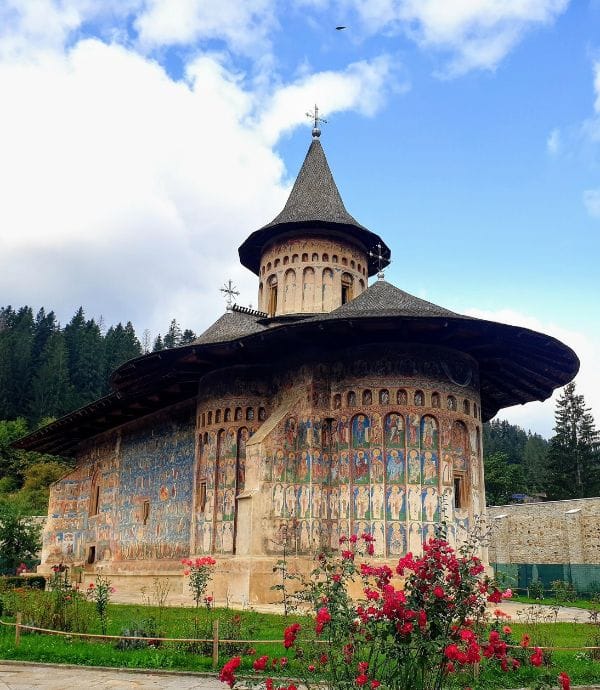
The painted monasteries of Bucovina were built in the 15th and 16th century by Moldavian princes who wanted their entire kingdom — literate or not — to read the Bible through its walls. What they created was the most extraordinary ensemble of exterior religious painting on earth: the Last Judgment, the Siege of Constantinople, the Tree of Jesse, rendered in blues and reds and greens that have survived half a millennium of Carpathian winters. Voroneț, Sucevița, Moldovița, Humor — each one distinct, each one quietly overwhelming. This is not art you observe from a distance. It surrounds you.
Maramureș: The Romania That Time Chose Not to Touch
Cross the mountains into Maramureș and the shift is immediate. This is a land of deep river valleys, haystack-dotted hillsides, and villages where the gate in front of every house is a carved wooden monument in its own right. The wooden churches here — eight of them UNESCO-listed — were built without a single nail, by craftsmen whose descendants still live in the same villages. The Merry Cemetery of Săpânța, where the dead are remembered with painted epitaphs and a dose of dark humor, is either the strangest or most life-affirming place you’ll ever visit, depending on how you look at it. Probably both.
This is the Romania I find hardest to describe to people before they arrive — and the one they talk about most when they get home.
Bucovina and Maramures Private Tours
Northern Romania — Where the Middle Ages Never Ended
Most Romania itineraries stop at Transylvania. The travelers who push further north — past the Carpathian ridgelines and into the old principalities of Bucovina and Maramureș — tend to come back with a different look in their eyes. This is the part of Romania that stops you cold. Two regions, side by side, each extraordinary in its own way: Bucovina, where 500-year-old monastery walls are covered in frescoes so vivid they seem freshly painted, and Maramureș, where wooden churches rise from villages that have been farming, crafting, and celebrating the same way for centuries. Together they make a journey unlike anything else in Europe.
Bucovina: A Open-Air Museum Without the Museum Feel
The painted monasteries of Bucovina were built in the 15th and 16th century by Moldavian princes who wanted their entire kingdom — literate or not — to read the Bible through its walls. What they created was the most extraordinary ensemble of exterior religious painting on earth: the Last Judgment, the Siege of Constantinople, the Tree of Jesse, rendered in blues and reds and greens that have survived half a millennium of Carpathian winters. Voroneț, Sucevița, Moldovița, Humor — each one distinct, each one quietly overwhelming. This is not art you observe from a distance. It surrounds you.
Maramureș: The Romania That Time Chose Not to Touch
Cross the mountains into Maramureș and the shift is immediate. This is a land of deep river valleys, haystack-dotted hillsides, and villages where the gate in front of every house is a carved wooden monument in its own right. The wooden churches here — eight of them UNESCO-listed — were built without a single nail, by craftsmen whose descendants still live in the same villages. The Merry Cemetery of Săpânța, where the dead are remembered with painted epitaphs and a dose of dark humor, is either the strangest or most life-affirming place you’ll ever visit, depending on how you look at it. Probably both.
This is the Romania I find hardest to describe to people before they arrive — and the one they talk about most when they get home.
Bucovina and Maramures At a Glance (2026)
Bucovina and Maramureș sit in the far north of Romania — unhurried, uncommercialised, and further from Bucharest than most visitors expect. They reward the planning. Here’s what you need to know before you go.
Category | Essential Information for 2026 – Bucovina and Maramures Private Tours |
|---|---|
Best Time to Visit | May–June — wildflower meadows in full bloom across Maramureș, long days for monastery visits in Bucovina, and the famous Sâmbra Oilor shepherd festival in late May. July–August — warmest weather, ideal for the Maramureș countryside and the Merry Cemetery; book ahead as accommodation fills quickly. September–October — golden light on the painted monastery facades, harvest season in the villages, and dramatically fewer visitors. December–January — snow transforms both regions into something extraordinary; Christmas traditions in Maramureș villages are among the most authentic in all of Romania. |
Nearest Airports | Suceava Ștefan cel Mare Airport (SCV) — the natural gateway to Bucovina, with regular flights from Bucharest and a small number of European connections. Cluj-Napoca International (CLJ) — a stronger hub with broader connections, roughly 2.5 hours by road from Maramureș; a practical entry point for tours that start in the northwest. Henri Coandă International (OTP) — for travelers flying in from North America, Bucharest remains the most connected arrival point; a fly-drive or private transfer from OTP into the north is a natural way to structure a longer Romania itinerary. |
Entry Requirements | EU/Schengen member since 2024 — no border checks for EU citizens. ETIAS Authorization — an online travel permit (€20) is expected for US, UK, CA & AU visitors; check current status before booking as the rollout date has shifted. |
Currency | Romanian Leu (RON). Cards are accepted at hotels and larger restaurants throughout the region, though coverage becomes patchy in smaller villages. Cash is strongly recommended for rural guesthouses, village markets, monastery entrance fees, and any stops off the main roads — which is precisely where northern Romania is at its best. |
Top Landmarks | Voroneț Monastery — the Sistine Chapel of the East, its western wall covered in a shade of blue that pigment chemists still cannot fully explain. Sucevița Monastery — the largest and most fortified of the painted monasteries, with a complete exterior fresco cycle in remarkable condition. The Merry Cemetery of Săpânța — where hand-carved, painted crosses celebrate the lives of the departed with wit, warmth, and occasionally brutal honesty. The Wooden Churches of Maramureș — eight UNESCO-listed churches built without nails, each a masterpiece of vernacular craftsmanship. Bârsana Monastery — a modern wooden monastery complex in the Maramureș tradition, rising above the Iza Valley like something from a fairy tale. |
Getting Around | Northern Romania is not a region you navigate casually. The painted monasteries of Bucovina are spread across a wide rural area with no meaningful public transport between them, and Maramureș is defined by its valleys and back roads — the kind that reward local knowledge and punish guesswork. A private tour with a dedicated driver-guide is not just the most comfortable way to see northern Romania; it is genuinely the only way to see it properly. |
Connectivity | Free Wi-Fi on board all our private vehicles throughout your tour. For broader connectivity, we can arrange a local Romanian eSIM before your arrival — a fraction of the cost of international roaming plans, with Romania’s exceptional network speeds from day one. |
Bucovina and Maramures At a Glance (2026)
Bucovina and Maramureș sit in the far north of Romania — unhurried, uncommercialised, and further from Bucharest than most visitors expect. They reward the planning. Here’s what you need to know before you go.
July–August: Warmest weather, ideal for the Maramureș countryside and the Merry Cemetery; book ahead as accommodation fills quickly.
September–October: Golden light on the painted monastery facades, harvest season in the villages, and dramatically fewer visitors.
December–January: Snow transforms both regions into something extraordinary; Christmas traditions in Maramureș villages are among the most authentic in all of Romania.
Cluj-Napoca International (CLJ): A stronger hub with broader connections, roughly 2.5 hours by road from Maramureș — a practical entry point for tours starting in the northwest.
Henri Coandă International (OTP): For travelers flying from North America, Bucharest remains the most connected arrival point. A private transfer from OTP into the north is a natural way to structure a longer Romania itinerary.
ETIAS Authorization: An online travel permit (€20) is expected for US, UK, CA & AU visitors; check current status before booking as the late 2026 rollout date has shifted.
Note: Cash is strongly recommended for rural guesthouses, village markets, monastery entrance fees, and any stops off the main roads — which is precisely where northern Romania is at its best.
Sucevița Monastery: The largest and most fortified of the painted monasteries, with a complete exterior fresco cycle in remarkable condition.
The Merry Cemetery of Săpânța: Where hand-carved, painted crosses celebrate the lives of the departed with wit, warmth, and occasionally brutal honesty.
The Wooden Churches of Maramureș: Eight UNESCO-listed churches built without nails, each a masterpiece of vernacular craftsmanship.
A private tour with a dedicated driver-guide is not just the most comfortable way to see northern Romania; it is genuinely the only way to see it properly.
eSIM: For broader connectivity, we can arrange a local Romanian eSIM before your arrival — a fraction of the cost of international roaming plans, with Romania's exceptional network speeds from day one.
Top Places to Visit in Bucovina and Maramures
Northern Romania rewards the traveler who plans rather than wanders. The places below are where the painted monasteries, living craft traditions, and unhurried village rhythms of Bucovina and Maramureș come into sharpest focus.
TransRarău Pass
...the mountain road that turns a drive through Bucovina into something you'll talk about for years.TransRarău Pass
2026 Update: The Rarău-Breaza ridge road remains one of the least commercialized high-altitude drives in Romania, with no toll, no crowds, and a growing reputation among European road trip enthusiasts discovering it for the first time.
Don’t Miss: Drive the TransRarău through the Rarău Massif, stop at the Pietrele Doamnei rock formation for panoramic views over the Bucovina landscape, and time it for late afternoon when the light on the limestone peaks turns golden. This is one of those drives where you find yourself slowing down just to make it last longer.
Ciocănești Village
...a Bucovina village where every house facade tells a story — painted by hand, generation after generation.Ciocănești Village
2026 Update: Ciocănești’s tradition of painted house facades has gained renewed attention following a 2024 cultural heritage documentation project, with several families now opening their homes and workshops to visitors by appointment.
Don’t Miss: Walk the village slowly — there is no other way to do it — and look closely at the geometric patterns and folk motifs covering every surface. No two houses are the same. If you can arrange a visit inside one of the painted households, do not pass it up.
Marginea — The Black Ceramics Village
...the only place in the world where a 3,000-year-old pottery tradition is still producing its signature jet-black ceramics.Marginea — The Black Ceramics Village
2026 Update: The Marginea Black Ceramics workshop remains family-run and open to visitors year-round, with hands-on throwing sessions now available alongside the standard workshop tour — one of the most genuine craft experiences in northern Romania.
Don’t Miss: Visit the main workshop to watch the entire process from raw clay to the distinctive smoke-firing that gives Marginea ceramics their unique black finish, then browse the showroom for pieces that won’t survive being packed in a suitcase — ship them home instead
Breb Village
...the Maramureș village that looks like it was painted by someone who loved Romania too much to paint it realistically.Breb Village
2026 Update: Breb has seen a quiet increase in thoughtful, small-scale tourism in recent years, with several traditional guesthouses offering overnight stays in authentic village homes — one of the few places in Romania where you can genuinely wake up inside living heritage.
Don’t Miss: Walk the village paths between the great carved wooden gates, visit the 18th-century wooden church perched above the village, and if your timing is right, witness one of the community’s Sunday gatherings where traditional dress is still worn without self-consciousness. Breb is not performing for tourists. That is exactly the point.
Sighetu Marmației
...the capital of Maramureș — and home to one of the most important and quietly devastating museums in Europe.Sighetu Marmației
2026 Update: The Memorial Museum to the Victims of Communism and the Resistance, housed in the former Sighet political prison, continues to expand its English-language resources and remains one of Romania’s most visited and emotionally significant cultural sites.
Don’t Miss: Dedicate at least two hours to the Sighet Memorial — it is not a museum you rush. Then explore the town’s Saturday market, one of the most authentic in Maramureș, where villagers from the surrounding valleys come in traditional dress to buy, sell, and catch up with each other exactly as they have for centuries.
Iza Valley
...A Maramureș valley where wooden churches rise from every hilltop and time moves at a pace the rest of Europe has forgotten.Iza Valley
2026 Update: The Iza Valley remains one of the most intact traditional rural landscapes in Romania, with ongoing EU-funded programs supporting the preservation of its wooden church heritage and traditional agricultural practices through 2026 and beyond.
Don’t Miss: Drive the length of the valley from Sighetu Marmației toward the mountain pass, stopping at the wooden churches of Bârsana, Rozavlea, and Budești along the way. Each is different in character; all are extraordinary. The valley is best experienced slowly, with no fixed schedule and at least one unplanned stop.
Top Places to Visit in Bucovina and Maramures
Northern Romania rewards the traveler who plans rather than wanders. The places below are where the painted monasteries, living craft traditions, and unhurried village rhythms of Bucovina and Maramureș come into sharpest focus.
TransRarău
...the mountain road that turns a drive through Bucovina into something you'll talk about for years.TransRarău
2026 Update: The Rarău-Breaza ridge road remains one of the least commercialized high-altitude drives in Romania, with no toll, no crowds, and a growing reputation among European road trip enthusiasts discovering it for the first time.
Don’t Miss: Drive the Transrăău through the Rarău Massif, stop at the Pietrele Doamnei rock formation for panoramic views over the Bukovina landscape, and time it for late afternoon when the light on the limestone peaks turns golden. This is one of those drives where you find yourself slowing down just to make it last longer.
Ciocănești Village
...a Bucovina village where every house facade tells a story — painted by hand, generation after generation.where ancient monastic history meets untouched wetland wilderness.Ciocănești Village
2026 Update: Ciocănești’s tradition of painted house facades has gained renewed attention following a 2024 cultural heritage documentation project, with several families now opening their homes and workshops to visitors by appointment.
Don’t Miss: Walk the village slowly — there is no other way to do it — and look closely at the geometric patterns and folk motifs covering every surface. No two houses are the same. If you can arrange a visit inside one of the painted households, do not pass it up.
Marginea — The Black Ceramics Village
..the only place in the world where a 3,000-year-old pottery tradition is still producing its signature jet-black ceramics.home to a cathedral built on legend.Marginea — The Black Ceramics Village
2026 Update: The Marginea Black Ceramics workshop remains family-run and open to visitors year-round, with hands-on throwing sessions now available alongside the standard workshop tour — one of the most genuine craft experiences in northern Romania.
Don’t Miss: Visit the main workshop to watch the entire process from raw clay to the distinctive smoke-firing that gives Marginea ceramics their unique black finish, then browse the showroom for pieces that won’t survive being packed in a suitcase — ship them home instead.
Sighetu Marmației
...the capital of Maramureș — and home to one of the most important and quietly devastating museums in Europe.Sighetu Marmației
2026 Update: The Memorial Museum to the Victims of Communism and the Resistance, housed in the former Sighet political prison, continues to expand its English-language resources and remains one of Romania’s most visited and emotionally significant cultural sites.
Don’t Miss: Dedicate at least two hours to the Sighet Memorial — it is not a museum you rush. Then explore the town’s Saturday market, one of the most authentic in Maramureș, where villagers from the surrounding valleys come in traditional dress to buy, sell, and catch up with each other exactly as they have for centuries.
Breb Village
...the Maramureș village that looks like it was painted by someone who loved Romania too much to paint it realistically.Breb Village
2026 Update: Breb has seen a quiet increase in thoughtful, small-scale tourism in recent years, with several traditional guesthouses offering overnight stays in authentic village homes — one of the few places in Romania where you can genuinely wake up inside living heritage.
Don’t Miss: Walk the village paths between the great carved wooden gates, visit the 18th-century wooden church perched above the village, and if your timing is right, witness one of the community’s Sunday gatherings where traditional dress is still worn without self-consciousness. Breb is not performing for tourists. That is exactly the point.
Iza Valley
...a Maramureș valley where wooden churches rise from every hilltop and time moves at a pace the rest of Europe has forgotten.Iza Valley
2026 Update: The Iza Valley remains one of the most intact traditional rural landscapes in Romania, with ongoing EU-funded programs supporting the preservation of its wooden church heritage and traditional agricultural practices through 2026 and beyond.
Don’t Miss: Drive the length of the valley from Sighetu Marmației toward the mountain pass, stopping at the wooden churches of Bârsana, Rozavlea, and Budești along the way. Each is different in character; all are extraordinary. The valley is best experienced slowly, with no fixed schedule and at least one unplanned stop.
Must-See Landmarks in Bucovina and Maramures
Which one of these places is already on your Bucovina and Maramures Private Tour bucket list?
The Painted Monasteries of Bucovina: The World’s Greatest Outdoor Fresco Cycle
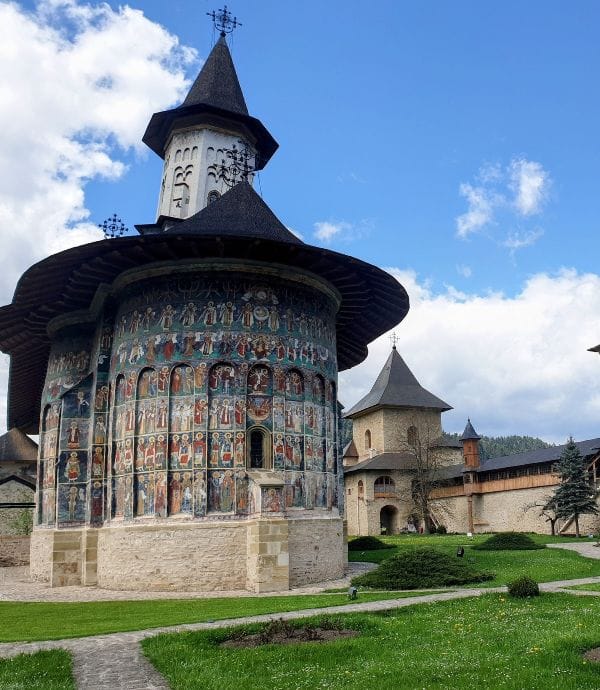
A UNESCO collection of 15th and 16th-century exterior Byzantine masterpieces: The World’s Greatest Outdoor Fresco Cycle
2026 Insider Tip: Each monastery features a distinct dominant color, history, and theological narrative. Without expert context, they risk blurring together. On a private tour, we select the sites that best match your interests and guide you through the stories painted on every wall.
Painted Monasteries UNESCO
Sucevita
Cetatea de Scaun a Sucevei: The Fortress That Held Moldavia Together
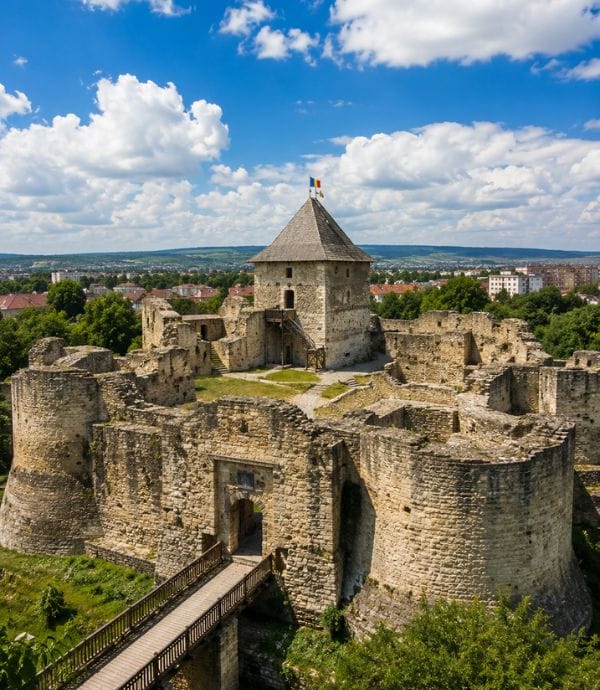
The seat of Moldavian princes where Ștefan cel Mare repelled major Ottoman invasions across his legendary 47-year reign.
The fortress is larger and more significant than most expect, but offers minimal on-site signage. On a private tour, we bring Ștefan cel Mare’s 47-year reign to life—turning a imposing medieval ruin into a gripping chapter of European history.
The Ruling Fortress
Suceava
The Painteg Egg Museum
Vama
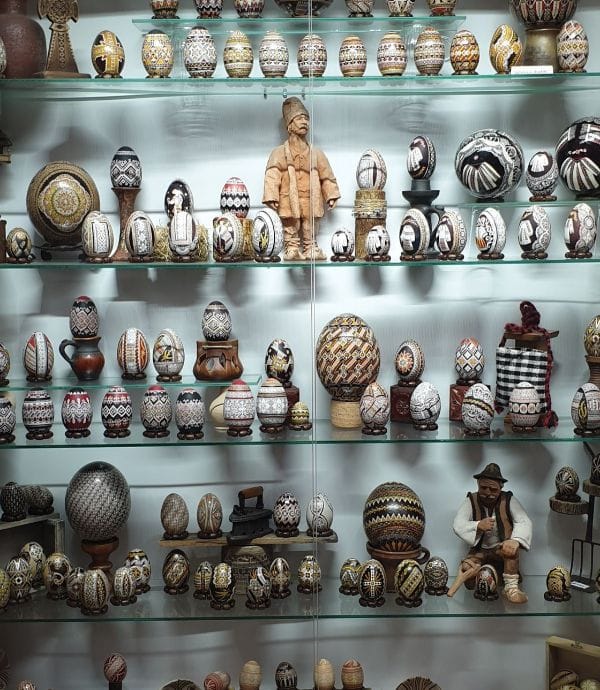
The Painted Egg Museum, Vama: A Folk Art Tradition in Miniature
A breathtaking world collection dedicated to Bucovina’s ancient craft of decorated eggs.
2026 Insider Tip: The motifs and colors vary by village and family. We add living context to the display by introducing you directly to local artisans who still practice this delicate wax-resistance technique today.
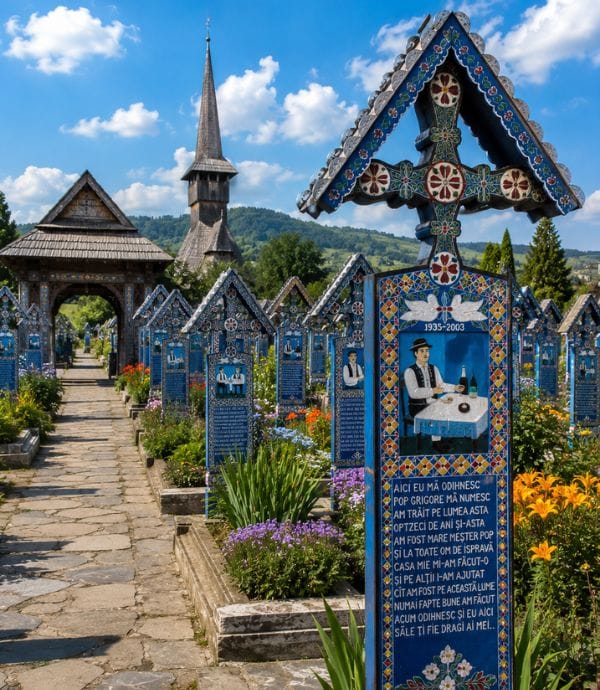
The Merry Cemetery
Sapanta
Săpânța Merry Cemetery: Where Death Gets the Last Laugh
A unique Maramureș cemetery where hand-carved oak crosses are painted in vivid colors and inscribed with witty, honest epitaphs about the lives of the deceased.
2026 Insider Tip: The Merry Cemetery sounds eccentric on paper, but feels profound in person. Because all epitaphs are written in local dialect, on a private tour we translate the poems directly—revealing the humor, tenderness, and stories that make this walk genuinely moving.
Bârsana Monastery: The Wooden Church Tradition, Alive and Towering
A soaring 57-meter wooden spire rising above the peaceful Iza Valley.
2026 Insider Tip: Bârsana is an active convent that is far less crowded than its stunning architecture deserves. On a private tour, we put its modern craftsmanship into context by pairing it with nearby UNESCO wooden churches, giving you a complete picture of Maramureș traditions.
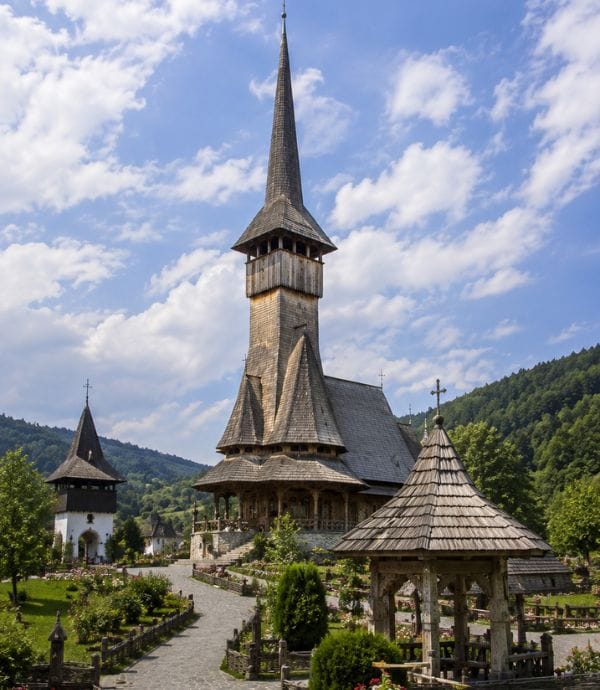
The Woonden Monasteries
Barsana
Mocănița Vișeu de Sus: The Last Working Steam Forest Railway in Europe
A narrow-gauge steam train traversing the untouched Vaser Valley since 1932.
2026 Insider Tip: Ticket queues and tight schedules can eat into your day. We organize your seats in advance, optimize the timetable, and connect this wilderness experience directly with nearby wooden churches and local artisan stops.
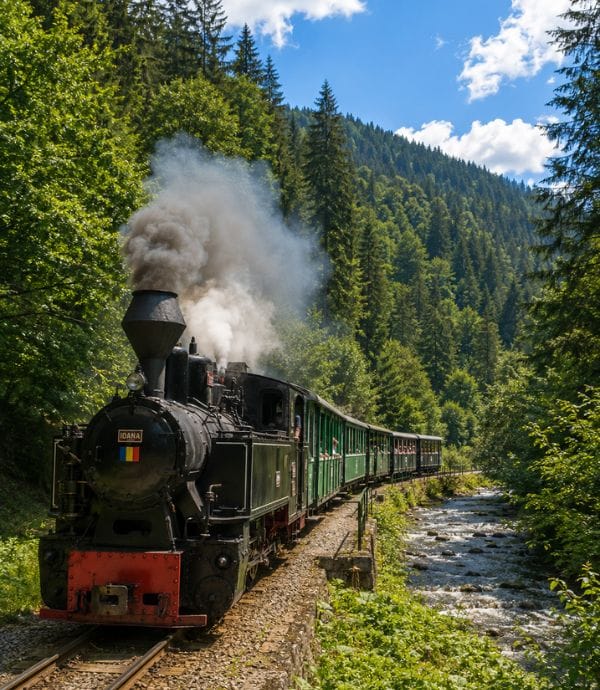
The Steam Train
Viseu de Sus
Must-See Landmarks in Bucovina and Maramures
Which one of these places is already on your Bucovina and Maramures Private Tour bucket list?
The Painted Monasteries of Bucovina: The World’s Greatest Outdoor Fresco Cycle
A UNESCO collection of 15th and 16th-century exterior Byzantine masterpieces: The World’s Greatest Outdoor Fresco Cycle
2026 Insider Tip: Each monastery features a distinct dominant color, history, and theological narrative. Without expert context, they risk blurring together. On a private tour, we select the sites that best match your interests and guide you through the stories painted on every wall.
Painted Monasteries UNESCO
Sucevita
Cetatea de Scaun a Sucevei: The Fortress That Held Moldavia Together
The seat of Moldavian princes where Ștefan cel Mare repelled major Ottoman invasions across his legendary 47-year reign.
The fortress is larger and more significant than most expect, but offers minimal on-site signage. On a private tour, we bring Ștefan cel Mare’s 47-year reign to life—turning a imposing medieval ruin into a gripping chapter of European history.
The Ruling Fortress
Suceava
The Painted Egg Museum, Vama: A Folk Art Tradition in Miniature
A breathtaking world collection dedicated to Bucovina’s ancient craft of decorated eggs.
2026 Insider Tip: The motifs and colors vary by village and family. We add living context to the display by introducing you directly to local artisans who still practice this delicate wax-resistance technique today.
The Painteg Egg Museum
Vama
Săpânța Merry Cemetery: Where Death Gets the Last Laugh
A unique Maramureș cemetery where hand-carved oak crosses are painted in vivid colors and inscribed with witty, honest epitaphs about the lives of the deceased.
2026 Insider Tip: The Merry Cemetery sounds eccentric on paper, but feels profound in person. Because all epitaphs are written in local dialect, on a private tour we translate the poems directly—revealing the humor, tenderness, and stories that make this walk genuinely moving.
The Merry Cemetery
Sapanta
Bârsana Monastery: The Wooden Church Tradition, Alive and Towering
A soaring 57-meter wooden spire rising above the peaceful Iza Valley.
2026 Insider Tip: Bârsana is an active convent that is far less crowded than its stunning architecture deserves. On a private tour, we put its modern craftsmanship into context by pairing it with nearby UNESCO wooden churches, giving you a complete picture of Maramureș traditions.
The Woonden Monasteries
Barsana
Mocănița Vișeu de Sus: The Last Working Steam Forest Railway in Europe
A narrow-gauge steam train traversing the untouched Vaser Valley since 1932.
2026 Insider Tip: Ticket queues and tight schedules can eat into your day. We organize your seats in advance, optimize the timetable, and connect this wilderness experience directly with nearby wooden churches and local artisan stops.
The Steam Train
Viseu de Sus
Things to do in Bucovina and Maramures
From the Shepherd’s Cauldron to the Monastery Table
Northern Romanian food is not refined in the restaurant sense — it is refined in the way that centuries of mountain living, seasonal rhythms, and genuine necessity produce food that is honest, deeply satisfying, and completely its own. Bucovina carries traces of its Habsburg past in its kitchen; Maramureș cooks the way it always has, from what the land and the animals provide. Between the two, you eat extraordinarily well.
Balmoș — The Dish That Defines Maramureș
Made from fresh polenta cooked directly in sheep’s cream and loaded with local brânză — a soft, slightly salty sheep’s cheese — balmoș is the kind of dish that sounds simple and tastes like nothing you have eaten before. It is shepherds’ food, traditionally prepared in a cauldron over an open fire during the summer transhumance season. Finding it made properly, by someone who learned it from their grandmother rather than a recipe card, is one of the quiet highlights of any Maramureș visit.
Smoked Everything — The Maramureș Larder
Maramureș households smoke their own meat, sausage, and cheese over cherry and beech wood, producing flavors that bear no resemblance to anything labelled “smoked” in a supermarket. A visit to a local household or a village market — particularly the Saturday market in Sighetu Marmației — turns into an impromptu tasting of cured meats, smoked sausages, and aged cheeses that you will spend the rest of the trip trying to recreate at home.
Pălincă — Handle With Respect
The double-distilled fruit brandy of Maramureș is not țuică — it is something considerably stronger, clearer, and more serious. Every household makes its own, from plums, pears, or apples depending on what grows in the valley, and offering a glass to a guest is an act of hospitality that predates any tourism industry. Accepting graciously, drinking slowly, and asking about the fruit and the process is one of the most direct ways into a genuine conversation with a Maramureș family.
The Habsburg Kitchen of Bucovina
Bucovina spent over a century under Austro-Hungarian administration, and the influence lingers in its cooking in ways that set it apart from the rest of Romania — in the pastries, the soups, the slightly more central European sensibility of its town restaurants. Suceava and Câmpulung Moldovenesc both have good traditional restaurants worth building into a lunch stop, particularly after a morning on the monastery circuit.
2026 Insider Tip: The best food experiences in northern Romania are not in restaurants — they are in private homes, farm guesthouses, and monastery refectories that require an introduction or a reservation to access. If a genuine farm lunch in a Maramureș household or a meal at a monastery guesthouse appeals to you, let us know when planning your itinerary. These are the stops that guests mention most when they get home, and they are entirely possible to arrange with the right local knowledge.
Best for: Food travelers, slow travel enthusiasts, travelers interested in living rural traditions, wine and spirits tourism, culturally curious visitors from the US and Canada who want to eat like a local rather than a tourist.
Where Ancient Skills Are Still Passed Hand to Hand
Northern Romania is one of the last regions in Europe where traditional craft is not a revival or a heritage project — it is simply what people do. The skills that produce Marginea’s black ceramics, Ciocănești’s painted facades, Maramureș’s carved wooden gates, and Bucovina’s decorated Easter eggs have been passed from hand to hand across generations without interruption. What you encounter here is not a reconstruction. It is the real thing, still alive, still practiced by the families who invented it.
Marginea Black Ceramics — A 3,000-Year-Old Technique
The village of Marginea in southern Bucovina is the only place in the world still producing ceramics using a pre-Roman smoke-firing technique that turns ordinary clay jet black without a single drop of dye or glaze. The Marginea workshop is family-run, open to visitors, and offers a complete view of the process from raw clay to finished piece — including the distinctive burnishing that gives each vessel its deep, almost metallic sheen. A hands-on throwing session is available for those who want to try it themselves.
The Carved Wooden Gates of Maramureș
Every traditional household in Maramureș stands behind a carved wooden gate — not a fence or a wall, but a monumental structure covered in symbolic motifs: the rope of life, the sun wheel, the tree of knowledge. Each gate is unique, commissioned from a local craftsman, and represents a family’s identity as much as its property. Walking the villages of Breb or the Iza Valley with an eye for the gates turns an ordinary stroll into a study in vernacular design that has no equivalent anywhere in Europe.
The Decorated Egg Tradition of Bucovina
The art of the încondeiat ouă — the hand-decorated Easter egg — reaches its highest expression in Bucovina, where the motifs, the wax-resist technique, and the color combinations vary from village to village and artisan to artisan. The Painted Egg Museum in Vama provides the overview; a visit to a working artisan adds the dimension of watching it made in real time. The best pieces are extraordinarily intricate and extraordinarily small — which makes them, unlike most souvenirs, genuinely worth carrying home.
Ciocănești — The Village That Paints Its Own Walls
The painted house facades of Ciocănești are a craft tradition that exists nowhere else in Romania — geometric folk patterns in blue, red, and white covering every surface of every house on every street in the village. Some families have been painting their own homes for generations; others commission local artists who specialize in nothing else. A slow walk through Ciocănești with someone who can explain the motifs and the family histories behind individual houses is a completely different experience from passing through on the way to the monasteries.
2026 Insider Tip: The craft traditions of northern Romania make for some of the most meaningful souvenirs available anywhere in Europe — but the best pieces are found in the workshops and homes where they are made, not in gift shops. If you want to meet a Maramureș gate carver, sit with a Bucovina egg decorator, or commission a piece directly from a Marginea ceramics family, we can arrange introductions that go well beyond a standard workshop visit. These are the conversations and encounters that tend to stay with people long after the trip is over.
Best for: Art and craft lovers, design enthusiasts, slow travelers, cultural heritage tourism, shoppers looking for meaningful and authentic souvenirs, photographers, and travelers from the US and Canada interested in living folk traditions rather than museum displays.
Mountains, Valleys, and Landscapes That Reward the Effort
Northern Romania is not a destination most travelers associate with outdoor adventure — and that is precisely its advantage. The Carpathian ridgelines of Bucovina, the deep river valleys of Maramureș, and the forests that cover both regions are largely unexplored by international visitors, unmarked by the infrastructure of mass tourism, and all the more extraordinary for it. This is mountain and valley country at its most unhurried and most rewarding.
The TransRarău Road — Bucovina’s Mountain Drive
The road through the Rarău Massif is one of the great scenic drives of Romania — a high-altitude route through limestone peaks, spruce forests, and open ridgelines with views stretching deep into the Carpathian range. Unlike the Transfăgărășan, which has become a victim of its own fame, the Transrăău remains genuinely quiet — a road where you can stop in the middle of the tarmac to look at the view without another car in sight. The Pietrele Doamnei rock formation, rising dramatically from the ridge, is the natural stopping point and one of the most photogenic landscapes in northern Romania.
The Mocănița — Into the Roadless Vaser Valley
The narrow-gauge steam railway from Vișeu de Sus is the only way into the upper Vaser Valley — a stretch of old-growth Carpathian forest with no road, no village, and no sound beyond the engine and the river. The journey itself is the destination: three to four hours into the wilderness and back, through a landscape that feels genuinely untouched. This is not a theme park ride. The Mocănița still carries timber on the same tracks it has used since 1932, and the engineers and conductors are the same families who have worked this railway for generations.
Hiking in the Rarău and Ceahlău Massifs
The mountains above Bucovina offer some of the most rewarding day hiking in the Romanian Carpathians, with well-marked trails through spruce forest, limestone karst, and open alpine meadow. The Rarău Massif is the most accessible from the monastery circuit; Ceahlău, just across the border into Moldavia, is more dramatic in scale and considered sacred in Romanian Orthodox tradition — a mountain that appears in folk songs, legends, and the paintings of Nicolae Grigorescu. Both reward an early start and a clear day.
Cycling the Iza and Mara Valleys
The gentle gradients of the Maramureș valleys make them some of the best cycling terrain in northern Romania — quiet country roads through hay meadows, wooden church villages, and farmsteads where the agricultural rhythm has barely changed in a century. A half-day cycling route through the Iza Valley between Bârsana and Rozavlea covers some of the most beautiful scenery in the region at exactly the right pace to take it in. Bicycles can be arranged locally and the roads carry almost no traffic outside market days.
Wildlife Watching in the Carpathian Forests
The forests of northern Romania support one of the healthiest brown bear, wolf, and lynx populations in Europe — not as managed wildlife experiences, but as genuinely wild populations living in genuinely wild habitat. Early morning drives through the forest roads above Vișeu de Sus or along the Bucovina foothills offer realistic chances of bear sightings, particularly in late spring and autumn. This is not guaranteed wildlife tourism; it is the real thing, which is both the caveat and the appeal.
2026 Insider Tip: The outdoor experiences of northern Romania work best when woven into a wider itinerary rather than treated as standalone activities — the Transrăău road on the way between monasteries, the Mocănița as an anchor for a Maramureș day, a morning hike before an afternoon in the villages. If you have a particular interest in combining active outdoor experiences with the cultural and heritage side of the north, get in touch and we can build an itinerary that moves at whatever pace suits you best — unhurried, varied, and with plenty of room for the unexpected.
Best for: Nature lovers, hikers, cyclists, wildlife enthusiasts, scenic drive aficionados, adventure travelers, photographers, and anyone who wants to balance the monastery circuit with fresh air and open landscapes.
Beyond the Frescoes — Monastic Life as a Living Experience
In Bucovina and Maramureș, religion is not a relic — it is a living rhythm that shapes daily life in ways that have largely disappeared from the rest of Europe. For a visitor willing to engage rather than simply observe, northern Romania offers a depth of spiritual and cultural experience that is genuinely unlike anything else on the continent.
Attend a Monastic Liturgy
The painted monasteries of Bucovina are active religious communities, not open-air museums. Morning liturgy at Voroneț, Sucevița, or Moldovița — chanted in Old Church Slavonic, lit by candlelight, attended by nuns who have lived within these walls for decades — is a completely different experience from a daytime tourist visit. Arrive before the gates open to the general public and the monastery belongs to a different century entirely.
Stay Overnight Within the Walls
Several Bucovina monasteries offer simple guesthouse accommodation inside the monastic enclosure. Waking up before dawn to the sound of the semantron — the wooden board struck instead of a bell at certain hours — and stepping outside to find the frescoed walls in early morning mist, with no other visitors present, is one of the most quietly extraordinary experiences northern Romania has to offer. It requires planning, but it is worth every effort.
Sit Down to a Monastic Meal
The Orthodox fasting calendar shapes the monastic kitchen in ways that produce some of the most surprising and satisfying food in Romania. A meal at a monastery guesthouse — vegetable dishes, fresh bread, local cheese, herb teas — eaten in silence or near-silence in a vaulted refectory, is as much a cultural experience as a culinary one. It is also, practically speaking, delicious.
Follow the Wooden Church Trail of Maramureș
The eight UNESCO-listed wooden churches of Maramureș are not clustered together for convenient visiting — they are scattered across the valleys as they always were, each serving its own village community. Following them in sequence, from the Iza Valley to the Cosău and Mara valleys, is less a sightseeing itinerary than a pilgrimage of sorts — each church a chapter in a longer story about faith, craftsmanship, and a community’s determination to build the most beautiful thing it could out of the most abundant material it had.
2026 Insider Tip: Timing a visit around an Orthodox feast day transforms the monastery experience entirely — the communities come alive with pilgrims, chanting, candlelit processions, and a sense of occasion that no ordinary touring day can replicate. Paschalia — the Orthodox Easter calendar — differs from the Western date, sometimes by several weeks. If your travel dates are flexible, it is worth planning around. Get in touch and we can build an itinerary timed to coincide with one of the major feast days at Voroneț or Sucevița, including an overnight stay inside the monastic enclosure if that appeals to you.
Best for: Culturally curious travelers, heritage and pilgrimage tourism, Orthodox Christian visitors, travelers seeking authentic and unhurried Romania, photographers, and anyone who wants to experience northern Romania as a living tradition rather than a museum exhibit.
A Year Still Lived by the Old Rhythms
